How Partnerships Between Automakers and Fashion Designers Are Redefining the Consumer Experience

Understanding the Fusion of Fashion and Automotive Design
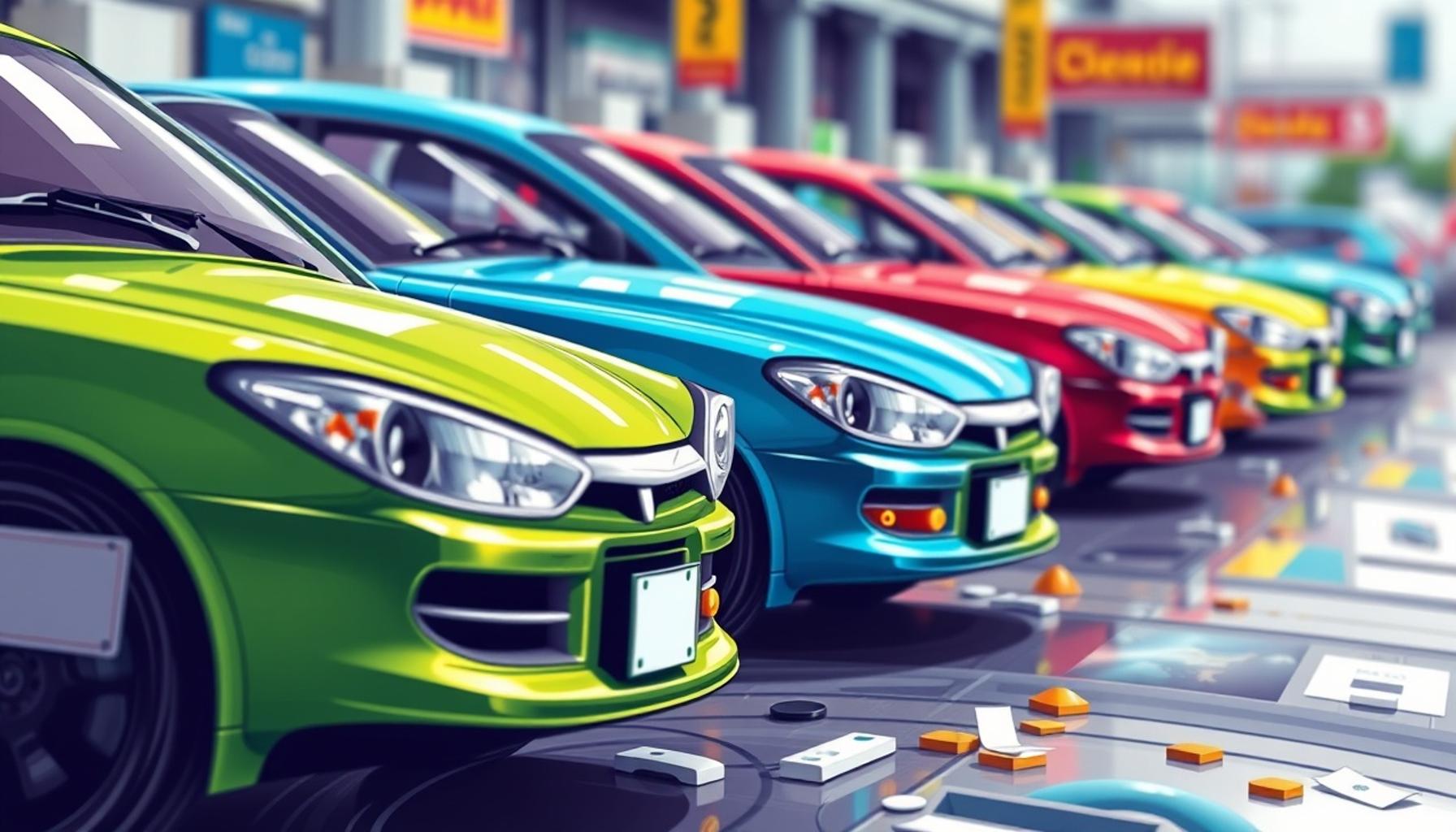
The intersection of style and innovation is creating exciting possibilities in today’s consumer landscape. One of the most fascinating manifestations of this trend is the rising collaboration between automakers and fashion designers, which is redefining how we view both industries. This partnership transcends fleeting trends and speaks to a deeper transformation in the consumer experience by combining cutting-edge automotive engineering with the aesthetics of high fashion. When these two formidable worlds collide, they captivate a diverse audience, appealing to those who appreciate both artistic expression and technological prowess.
Such collaborations often yield several noteworthy outcomes:
- Exclusive vehicle designs that mirror current fashion trends, making the cars not just modes of transportation but also powerful style statements.
- Limited edition merchandise that stirs excitement and creates a sense of exclusivity, driving up desirability among consumers who want to stand out.
- Unique marketing campaigns that engage customers through innovative storytelling and immersive experiences, further tying the emotional connections between fashion and mobility.
To illustrate this dynamic synergy, consider the following collaborations:
- BMW and Rei Kawakubo: This partnership broke boundaries by not only focusing on car design but also incorporating avant-garde fashion staples, showcasing how automobiles can serve as canvases for artistic expression.
- Mercedes-Benz and Versace: This iconic collaboration went a step further by producing luxurious vehicle interiors that feel sophisticated, embodying high fashion within the automotive space. This demonstrates how the comfort and elegance of a vehicle can reflect personal style.
- Fiat and Gucci: This playful alliance resulted in cars that exude a chic and stylish automotive identity, appealing especially to fashion-forward consumers looking for something beyond ordinary vehicles.
As we explore these fascinating partnerships, it becomes evident that they do more than enhance consumer perception; they also redefine the essence of branding. By aligning a vehicle with lifestyle choices, automakers are not just selling cars; they are curating a lifestyle that resonates with consumers’ aspirations and identities. Such collaborative initiatives are undoubtedly shaping the future of both the automotive and fashion industries, paving the way for exciting developments that promise to keep consumers engaged, informed, and inspired.
DISCOVER MORE: Click here to learn how to apply
Transforming Consumer Perceptions Through Style
The collaboration between automakers and fashion designers not only enhances the aesthetic appeal of vehicles but also shifts how consumers perceive automobile ownership and identity. Traditionally, a car has been seen merely as a functional object that meets the transportation needs of its owner. However, with the infusion of fashion elements, vehicles are evolving into aspirational lifestyle symbols that embody personal style and taste.
These partnerships cultivate a sense of exclusivity that resonates strongly with today’s consumers, especially millennials and Gen Z, who increasingly prioritize individuality and unique experiences. By embracing innovative concepts and trends from the fashion world, automakers tap into an emotional resonance that transcends mere functionality. This is particularly evident in the following ways:
- Personalization: Collaborations often lead to bespoke options that allow customers to personalize their purchase. For instance, a car adorned with a unique pattern or fabric designed by a recognized fashion house can create a sense of ownership that few standard models can achieve.
- Enhanced Brand Loyalty: When automotive brands align themselves with reputable fashion designers, they create a narrative that captivates consumers. Brands like Jaguar and Burberry have cultivated partnerships that not only elevate their brand image but also amplify consumer loyalty. Customers often develop a deeper connection with brands that embrace lifestyle choices similar to their own.
- Experiential Marketing: These collaborations facilitate immersive experiences that engage consumers beyond the point of sale. For instance, fashion shows featuring automobile showcases or pop-up events that allow potential customers to interact with both fashion and vehicles create memorable experiences that build brand heritage.
- Community Building: The overlap between the fashion and automotive worlds fosters a community of like-minded individuals who appreciate the artistry in both domains. Through social media campaigns, collaborative events, and mutual endorsements, consumers feel part of a lifestyle movement that advocates for elegance, mobility, and creativity.
By intertwining automotive design with fashion principles, brands create a new narrative around car ownership, focusing on the emotional and aesthetic aspects rather than just technical specifications. A notable example is the Porsche Design Driver’s Selection, which offers exclusive apparel and accessories that reflect the philosophy and aesthetic of the Porsche brand. This seamless integration elevates the consumer experience, ensuring that the car is not just a product but part of a broader lifestyle ethos.
This evolving relationship between the automotive and fashion industries is reshaping consumer expectations and experiences. As an increasing number of consumers seek not only utility but also style and identity in their purchases, the creation of a cherished relationship between fashion and vehicles continues to pave the way for innovative collaborations that prioritize personalization, community, and storytelling.
DISCOVER MORE: Click here to learn how to apply
Redefining the Consumer Journey Through Innovation
The collaboration between automakers and fashion designers is also driving significant innovation in the way consumers interact with their vehicles. As technology continues to integrate into every facet of daily life, these partnerships are channeling cutting-edge advancements, turning cars into multifunctional hubs of fashion and functionality.
One critical aspect of this innovation is the incorporation of smart technology into vehicle design, seamlessly blending fashion with function. For example, when renowned designer Karl Lagerfeld collaborated with Volkswagen to create a limited-edition model, it featured not only bespoke visual elements but also smart devices that catered to the digital lifestyle. This integration appeals to tech-savvy consumers who expect personalization and connectivity in their driving experience.
Moreover, these collaborations often lead to the development of unique merchandise that enhances the consumer’s journey. The automotive sector has begun to recognize that the experience does not end when a customer drives off the lot. Brands like Mercedes-Benz and AMG offer curated collections of apparel and accessories designed in partnership with fashion icons, allowing customers to express their style beyond just the vehicle itself. This extension transforms the act of car ownership into a holistic lifestyle, where every aspect is curated for style and function.
Additionally, partnerships are also paving the way for sustainability in both industries. With consumers becoming increasingly conscious of their environmental impact, collaborations focusing on eco-friendly practices are gaining traction. For instance, the partnership between BMW and fashion designer Stella McCartney emphasizes the use of sustainable materials in both vehicle interiors and fashion collections. By prioritizing environmentally-friendly practices, these brands not only attract eco-conscious consumers but also position themselves as leaders in responsible innovation.
The rise of the experience economy is another key component of this shift. Consumers desire experiences over mere products; thus, automakers and fashion designers are creating environments that go beyond conventional showrooms. Brands such as Tesla and Aston Martin have embarked on immersive experiences where potential buyers can engage with the vehicles in stylish settings, complete with fashion showcases, artisanal foods, and interactive installations. These types of engagements allow customers to feel a deeper connection to the brand and its values, which is paramount in today’s competitive market.
Furthermore, the fusion of fashion and automotive design has been reflected in marketing campaigns that engage consumers on various platforms, especially through social media. Campaigns featuring high-profile influencers or fashion showcases provide a narrative that resonates with audiences. For example, when Chanel showcased its haute couture collection alongside a luxury car, it sent a powerful message: luxury exists beyond just one item—it is a lifestyle choice that intertwines style and performance.
As a result, embracing the interplay between fashion and automobiles is not merely a trend but rather an integral strategy for survival in a rapidly changing marketplace. As consumer preferences continue to evolve, the desire for innovation, personalization, and emotional connection will steer the direction of future collaborations, ensuring that these partnerships remain at the forefront of redefining the consumer experience.
DISCOVER MORE: Click here to learn how to apply
Embracing a New Era of Consumer Engagement
In conclusion, the collaborations between automakers and fashion designers are not only reshaping consumer experiences but also fostering a new era of engagement that blends style, technology, and sustainability. By merging the automotive and fashion industries, these partnerships create a unique proposition that caters to today’s discerning consumers, who value more than just functionality—they seek personal expression and cohesive lifestyle branding.
The innovative fusion of smart technology with vehicles, as seen through collaborations with renowned designers, enhances the way we interact with our cars and elevates them into seamless extensions of our lives. Furthermore, the development of exclusive merchandise and curated experiences allows consumers to engage on multiple levels, reinforcing the notion that car ownership is part of a broader lifestyle choice.
As sustainability continues to emerge as a priority for many consumers, the partnerships focusing on eco-friendly practices not only satisfy demand but position brands as leaders in responsible consumerism. This trend serves as a vital reminder that innovation should also align with ethical considerations, reflecting a comprehensive approach to product development.
Ultimately, as we move forward in an increasingly experience-driven economy, the blend of fashion and automotive expertise will become essential. The emotional connections fostered through these collaborations will not only enrich brand loyalty but will also redefine the overall consumer journey, ensuring that the interplay between these industries remains a critical aspect of future consumer engagement strategies.

Linda Carter
Linda Carter is a journalist and writer responsible for closely monitoring the topics published and continuously contributing to the content production of this website. On a daily basis, she conducts research, organizes information, and helps transform complex subjects into clear and easy-to-understand texts, always focusing on the reader's usefulness.