
The Relationship between Luxury Cars and Fashion Styles: A Study on Status and Consumption
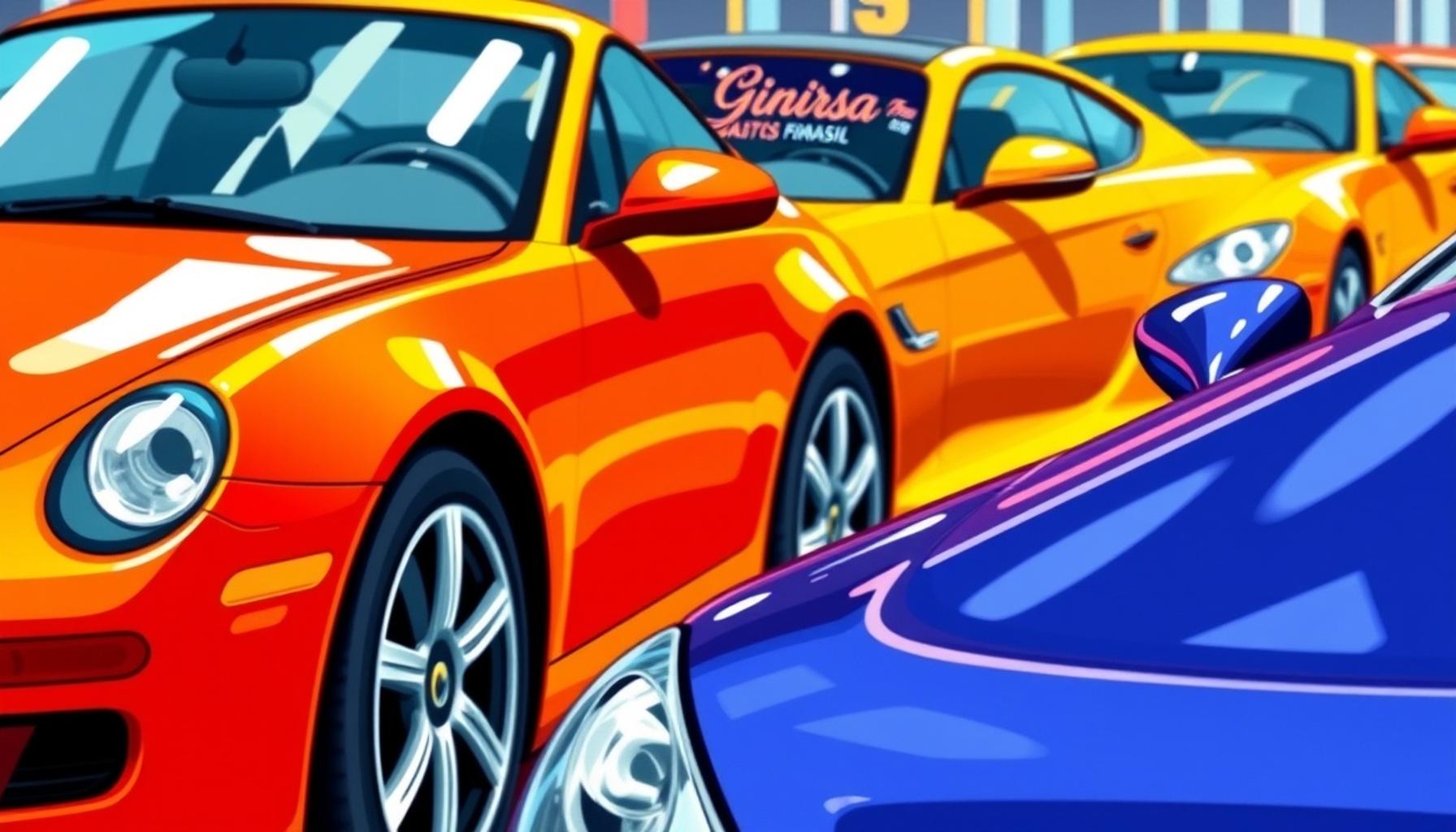
Exploring the Intersection of Luxury Cars and Fashion
In today’s world, luxury cars and fashion styles often go hand in hand. They serve as symbols of status, showcasing wealth and personal taste. Understanding this relationship can reveal much about consumer behavior and societal values.
Luxury cars are not just means of transportation; they represent:
- Exclusivity: Many luxury car manufacturers produce limited editions or customizable options that significantly increase their desirability. For example, brands like Bugatti often release models that have unique features and are produced in very limited quantities, appealing to collectors and those who seek to flaunt their wealth.
- Innovation: Cutting-edge technology sets luxury vehicles apart from standard cars. Features such as advanced driver-assist systems, luxurious interiors with the latest smart technology, and eco-friendly engine options like those found in Tesla vehicles transform the driving experience into something extraordinary.
- Brand Prestige: Renowned names like Ferrari, Rolls-Royce, and Lamborghini evoke luxury and exclusivity. Owning such a car often provides individuals with a sense of accomplishment and an identity that reflects their aspirations. For many, driving a Lamborghini symbolizes a lifestyle that is adventurous and bold.
Similarly, fashion styles reflect individual identity and social status. Consider the following aspects:
- High Fashion: Brands like Gucci and Louis Vuitton not only signify luxury but also boast exceptional craftsmanship. A handbag from these designers is not just an accessory; it’s an investment piece that communicates social standing.
- Street Style: Unique and bold outfits can transform everyday fashion into high-status statements. For instance, trendy streetwear brands like Off-White or Fear of God have taken the fashion industry by storm, merging high fashion with everyday wear, allowing consumers to express individuality.
- Celebrity Influence: Stars often set trends that reflect their lifestyle, including their choice of vehicles. A celebrity like Kim Kardashian can popularize the latest luxury SUV, leading to a surge in demand from fans eager to emulate her style and status.
This synergy between high-end automobiles and fashion creates a vivid landscape of consumer consumption. It influences purchasing decisions and shapes perceptions of what it means to be fashionable today. As consumers seek to express their identities through both their car choices and clothing, the connection between these two markets becomes increasingly evident.
As we delve deeper into the dynamics of this relationship, we will explore how these two worlds collide, influencing one another and shaping cultural norms. Understanding these connections can provide insightful perspectives for both consumers and marketers alike, revealing opportunities for businesses to innovate and connect with their audiences more effectively.
DISCOVER MORE: Click here to learn how to apply
The Significance of Luxury Cars in the Fashion Ecosystem
Luxury cars play an integral role in the fashion ecosystem, where they stand as symbols of wealth, sophistication, and personal expression. Analyzing this relationship reveals fascinating insights into consumer motivations and the ways in which societal values are reflected through both automobiles and style choices. In this segment, we will explore how luxury cars align closely with current fashion trends, targeting specific demographics and influencing purchasing behavior.
A major factor contributing to the allure of luxury cars is their symbolic value. Ownership of a high-end vehicle can transform an individual’s public image, allowing them to project an aura of success and exclusivity. Many consumers believe that a luxury car, such as a Tesla Model S or a Mercedes-Benz S-Class, not only enhances their lifestyle but also elevates their social status in both personal and professional spheres.
Consumer Behavior and the Luxury Market
The luxury market frequently harnesses psychological elements in its marketing strategies. For example, the sense of belonging is prevalent in both luxury cars and high fashion. Those who purchase exclusive cars often do so to become part of an elite group, similar to how exclusive fashion brands, such as Chanel or Dior, foster a sense of community among their buyers. This phenomenon of brand loyalty extends beyond product acquisition; it encourages deeper affiliations with luxury lifestyles.
Moreover, luxury cars and fashion tend to share common target demographics. Affluent consumers, usually aged between 30 to 55, are drawn to both high-end vehicles and designer clothing. This age group typically possesses significant disposable income, enabling them to invest in products that reflect their achievements. Consequently, brands are sophisticatedly crafting marketing campaigns that intertwine these two worlds.
- Targeted Advertising: Luxury brands often collaborate on marketing initiatives, such as fashion shows featuring luxury vehicles, to display their synergy. These exclusive events can create buzz, further solidifying the connection between automobiles and fashion.
- Product Placement: High-profile films and television shows often showcase luxury cars alongside designer clothing, blending the two sectors in a way that appeals to viewers’ aspirations. For instance, the presence of a Maserati in a glossy fashion editorial amplifies its desirability by aligning it with high fashion ideals.
- Social Media Influence: Platforms such as Instagram feature influencers who showcase a lifestyle filled with luxury cars and designer outfits. Their ability to connect with younger audiences resonates strongly, making this relationship beneficial for both luxury automotive brands and fashion houses.
As we break down the consumer behaviors associated with luxury car ownership and its connection to fashion, we can see that both entities are intertwined in a complex dance of desire, identity, and aspiration. They form a unique symbiosis where each influences the other’s market performance, establishing a distinct narrative of luxury consumption that appeals to an affluent clientele eager to express their style through both their vehicles and wardrobe choices.
DIVE DEEPER: Click here to discover how to apply
The Interplay of Luxury Vehicle Design and Fashion Trends
The aesthetic appeal of luxury cars parallels the artistry found within the fashion industry, making the relationship between these two realms not only functional but also deeply visual. This section delves into how the design elements of luxury vehicles influence and reflect prevailing fashion trends, creating a complex interplay that enhances consumer desire across both markets.
Luxury cars are often designed with careful attention to stylish innovation and high-quality materials, similar to haute couture. Just as fashion designers utilize premium fabrics and cutting-edge styles to entice consumers, automotive brands employ designer collaborations and signature features that resonate with the world of fashion. For example, the iconic curves of a Ferrari or the sophisticated contours of a Bentley are as detailed and innovative as the latest collections showcased on runways.
Collaborative Collections and Limited Editions
Brands in both industries often collaborate on exclusive collections that showcase their mutual dedication to quality and design. Such partnerships can take various forms, from fashion designers creating limited-edition car interiors to luxury car manufacturers sponsoring major fashion events. Consider the collaboration between Jaguar and fashion house Paul Smith, which resulted in a bespoke version of the Jaguar XJ. This initiative not only highlighted the car’s luxury status but also positioned it within the elite realm of fashion, attracting customers who value craftsmanship and exclusivity.
Moreover, limited edition vehicles often feature design aspects that echo current fashion trends, reinforcing the relationship between the two spheres. For instance, the introduction of cars in vibrant color palettes or unique textures can mirror the seasonal collections of fashion houses, where bold colors, patterns, and materials dominate. This trend creates a cyclical movement, as consumers may find themselves drawn to both luxury cars and clothing that complement one another, ultimately influencing their purchasing decisions.
The Role of Experience and Lifestyle Representation
Another critical aspect of the relationship between luxury cars and fashion is the experience they represent. Both are not merely products; they encapsulate a lifestyle that many aspire to attain. Owning a luxury car often comes with an exclusive experience, from personalized services to bespoke designs, elevating the consumer’s lifestyle just as a designer outfit might. Events such as fashion shows or grand openings often feature luxury vehicles parked prominently, reinforcing the idea that both purchases signify a higher social standing and a commitment to quality.
This lifestyle alignment also manifests in the concept of experiential marketing. Automobile brands understand the importance of creating memorable experiences that go beyond the car itself, much like high-end fashion brands engage consumers through immersive brand experiences. For example, luxury car brands may host driving events on scenic roads or sponsor fashion events where attendees can experience the thrill of driving their high-performance vehicles. Such initiatives create a visceral connection with potential buyers, making the luxury vehicle more than just a means of transportation but also a vital part of a consumer’s identity.
The intersection of design, collaboration, and lifestyle representation underscores the dynamic relationship between luxury cars and fashion styles. By embracing the core values of both sectors, consumers create personal narratives that entwine luxury automobiles and high fashion, leading to a deeper understanding of status and consumption in contemporary society.
DISCOVER MORE: Click here to learn about influencer collaborations
Conclusion
In exploring the relationship between luxury cars and fashion styles, it becomes evident that both sectors are intricately linked through the themes of status, design, and lifestyle representation. This connection goes beyond mere aesthetics; it embodies cultural significance, where ownership of luxury vehicles and high-end fashion items can symbolize personal achievement and social standing. As we have seen, luxury cars share characteristics with high fashion, including meticulous craftsmanship, innovative designs, and exclusive branding that appeal to consumers’ desires for uniqueness and quality.
The collaborative efforts between automotive brands and fashion houses further illustrate this synergy. By creating limited-edition vehicles and engaging in co-branded experiences, these brands tap into a shared audience that values both style and sophistication. Experiential marketing enhances this bond by offering consumers memorable encounters that not only showcase the products but also elevate their overall lifestyle aspirations. As consumers intertwine their passion for luxury cars with fashion, we witness a more profound transformation in the way they perceive their identity and societal roles.
Ultimately, understanding the relationship between luxury automobiles and fashion styles enlightens us about broader trends in consumption behavior. As we navigate through an increasingly competitive market, the demand for status-related symbols in both realms will likely continue to evolve. Consumers today are not just purchasing products; they are investing in experiences and narratives that reflect their aspirations. As this dynamic interplay unfolds, the future of luxury consumption will remain a captivating topic, rich with opportunities for innovation and self-expression.

Linda Carter
Linda Carter is a journalist and writer responsible for closely monitoring the topics published and continuously contributing to the content production of this website. On a daily basis, she conducts research, organizes information, and helps transform complex subjects into clear and easy-to-understand texts, always focusing on the reader's usefulness.