The Role of Fintechs in the Transformation of the U.S. Banking System
Understanding the Shift in Banking
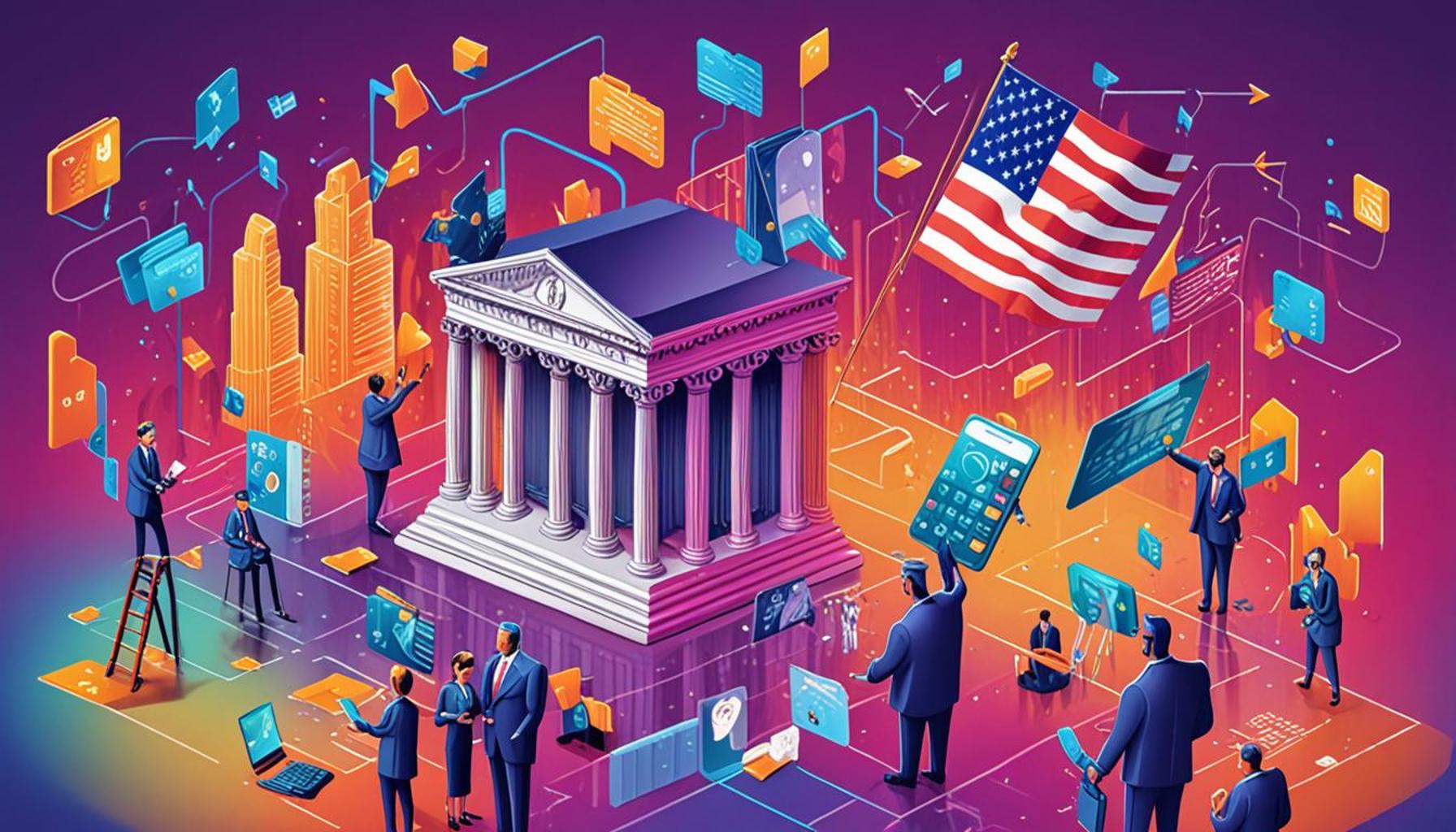
The banking landscape in the U.S. is evolving rapidly due to the rise of fintech companies. These innovative firms are reshaping how consumers interact with their financial services. By leveraging technology, they provide more efficient and accessible options for banking. This transformation is not just about technology; it represents a fundamental change in how financial services are conceived.
Key Impacts of Fintechs
- Enhanced Customer Experience: Fintechs focus on user-friendly interfaces and streamlined processes, making it easier for users to navigate financial services. For instance, apps like Venmo and Cash App allow instantaneous peer-to-peer payments, which vastly differ from the traditional bank transfer methods that can take several days.
- Increased Accessibility: Fintech solutions are designed to cater to a broader audience, including the underbanked and unbanked population. Companies such as Chime offer no-fee banking services, allowing individuals who may not have access to traditional banking services to manage their finances independently.
- Cost-Effective Solutions: Fintech firms often charge lower fees and offer better interest rates than traditional banks. For example, high-yield savings accounts from online banks like Ally or Marcus by Goldman Sachs provide better returns compared to brick-and-mortar banks that usually offer minimal interest on savings.
- Speed and Efficiency: Transactions through fintech platforms are often executed much faster, providing immediate access to funds. Services like PayPal can facilitate instant payments, contrasting starkly with the lengthy processes of larger financial institutions.
As a result, traditional banks are feeling the pressure to adapt. Many are integrating fintech innovations to retain their customer base while improving their service offerings. For instance, some banks are now providing mobile apps with advanced features, such as budgeting tools and spending analytics, to compete with fintechs. This competition fosters a more dynamic banking environment that ultimately benefits consumers.
Why Fintechs Matter
Fintechs are essential not just for their innovation, but also for their role in democratizing finance. They empower individuals by providing tools that enhance financial literacy and management. Products like budgeting apps (e.g., Mint or PocketGuard) help users track their spending and savings, leading to better financial planning. Understanding their impact is crucial for navigating the modern banking system.
Furthermore, fintechs often lead the way in advocating for regulatory changes that promote fair practices in finance. This is especially crucial for ensuring that underserved communities have equitable access to financial services. In this rapidly changing landscape, consumers should take the opportunity to explore these fintech options and enhance their financial health.
In conclusion, as fintechs continue to evolve, their impact will increasingly shape the way individuals manage their finances, making it paramount for consumers to stay informed and adaptable.
Breaking Down Fintech Innovations
To fully grasp the role of fintechs in transforming the U.S. banking system, it is essential to examine the range of services and innovations they offer. Fintechs encompass a variety of functionalities from payment processing to lending solutions. This diversity allows consumers to choose options that suit their unique financial needs effortlessly. Here are some prominent categories of fintech innovations:
- Payment Solutions: Fintech companies have revolutionized payment processing with technologies that allow instantaneous transactions. Services such as Square and Stripe enable businesses to accept payments quickly and securely while providing detailed analytics that aid in financial planning.
- Digital Banking: Digital banks are emerging as significant players, offering fully online banking services with minimal fees. For example, American Express Go provides a digital platform that simplifies expense management, allowing businesses to issue virtual cards for employees.
- Investment Platforms: Fintechs like Robinhood and Betterment have democratized investing by eliminating trading fees and providing easy access to stock markets. These platforms encourage users to invest in their future, making financial markets more inclusive.
- Personal Finance Management: Applications such as YNAB (You Need A Budget) and Acorns are designed to help users manage their money more effectively. These apps offer budgeting tools and automated savings, which can significantly improve financial habits.
These innovations not only make financial services accessible but also enhance transparency. Users can monitor transactions and fees in real time, something that traditional banks have struggled to achieve. By promoting increased financial literacy and engagement, fintechs empower individuals to take control of their financial health.
Consumer-Oriented Features
Fintech companies often prioritize consumer needs, leading to the development of features specifically designed to enhance user experience. Some key features include:
- Real-Time Notifications: Users receive immediate alerts for transactions, ensuring they stay informed about their finances without waiting for monthly statements.
- Customizable Budgets: Many fintech apps allow users to set budgets tailored to their spending habits, enabling more effective financial planning.
- Robust Security Measures: Advanced encryption and biometric authentication features help protect user data, fostering trust and confidence in digital financial services.
The emergence of these features marks a significant departure from traditional banking practices, where user interaction was often cumbersome and inefficient. As fintechs continue to innovate, the pressure on traditional banks to evolve becomes increasingly paramount. It is no longer sufficient to offer basic banking services; financial institutions must leverage technology to provide competitive and user-friendly products.
The Impact of Fintechs on Financial Inclusion
One of the most significant contributions of fintech companies to the U.S. banking system is their ability to enhance financial inclusion. This is particularly vital in a country where millions remain unbanked or underbanked due to traditional banking practices that exclude certain demographics. Fintechs are bridging this gap by offering alternatives that cater to underserved populations. Here’s how they’re making a difference:
- Accessibility: Fintechs provide services through mobile apps and online platforms, which allows individuals without access to physical banks to manage their finances conveniently. This is crucial in rural areas where banking facilities are limited.
- Lower Fees: Many fintech platforms operate with minimal overhead costs which are transferred to customers in the form of lower fees. For example, a direct money transfer through services such as Venmo or Cash App often comes with no fees, unlike traditional banking options.
- Peer-to-Peer Lending: Platforms like LendingClub and Upstart have democratized access to loans, allowing individuals with varying credit histories to borrow money. By assessing applicants through alternative data and algorithms, fintechs can approve loans for those who may otherwise be rejected by traditional banks.
- Microfinancing: Fintechs are offering small loans that can help entrepreneurs start businesses. Companies like Kiva provide platforms for microloans, allowing users to lend as little as $25 to borrowers, which can have a substantial social impact.
This shift toward inclusivity is essential in an increasingly digital economy, as it empowers individuals to participate fully in financial activities, thereby fostering economic growth. Traditional banks are now challenged to create strategies that promote similar inclusivity to remain competitive.
Enhancing Customer Experience Through Technology
The customer experience has undergone a transformation due to the direct style of fintech operations. This shift is characterized by several tech-driven enhancements:
- Chatbots and AI: Many fintechs employ artificial intelligence to enhance customer support. Chatbots can handle routine inquiries and facilitate transactions, providing immediate assistance without the long wait times common in traditional banking.
- Blockchain Technology: Innovations in blockchain are being adopted by fintechs to improve security and transparency within transactions. For instance, companies like Ripple are using blockchain to simplify cross-border payments, making them cheaper and faster.
- Data Analytics: Fintechs leverage big data to provide personalized recommendations based on user behavior. This capability allows for tailored financial advice, assisting users in making informed decisions.
- Seed Capital Opportunities: Fintechs are also facilitating investment in startups through platform-based crowd-funding, where investors can support new businesses directly, fostering an ecosystem of entrepreneurial growth.
With a relentless focus on user experience, fintechs are setting new standards that traditional banks must meet or risk losing market share. The introduction of technology-driven enhancements is compelling the banking sector to re-evaluate their services to align with modern consumer expectations.
The competition wrought by fintechs incentivizes the banking industry to innovate continuously, keeping the focus on improving customer satisfaction and broadening access to financial resources. This ongoing transformation points to a future where banking services are more efficient, accessible, and user-friendly for all consumers in the U.S.
Conclusion
The rise of fintechs in the U.S. banking system signals a pivotal transformation that is reshaping how consumers interact with financial services. By offering innovative solutions that prioritize accessibility, affordability, and personalization, fintechs are not only enhancing financial inclusion but also setting new benchmarks for customer experience. Traditional banks are being compelled to adapt or risk obsolescence, illustrating the disruptive potential of fintech innovations.
Consumers now have access to an array of services that were previously unattainable, from low-cost peer-to-peer lending to convenient payment systems. This is particularly critical for underbanked populations who can benefit from more inclusive offerings. As fintechs leverage technologies such as artificial intelligence and blockchain, the future of banking appears more secure, efficient, and user-friendly.
To harness the benefits of this transformation, consumers should actively explore fintech options that align with their financial needs. Evaluating apps and platforms for features like lower fees, enhanced security, and personalized services can facilitate better financial management. Additionally, staying informed about emerging fintech trends can empower consumers to make educated choices, ensuring they take full advantage of the evolving banking landscape.
Ultimately, the collaboration between fintechs and traditional banks may be key to creating a more inclusive and innovative financial ecosystem, benefiting both consumers and the broader economy.

Linda Carter is a writer and financial expert specializing in personal finance and financial planning. With extensive experience helping individuals achieve financial stability and make informed decisions, Linda shares her knowledge on the Father Company platform. Her goal is to empower readers with practical advice and strategies for financial success.