The Future of Work and Its Economic Implications: How Automation is Changing the Job Market in the USA
Transformative Forces in the Modern Workplace
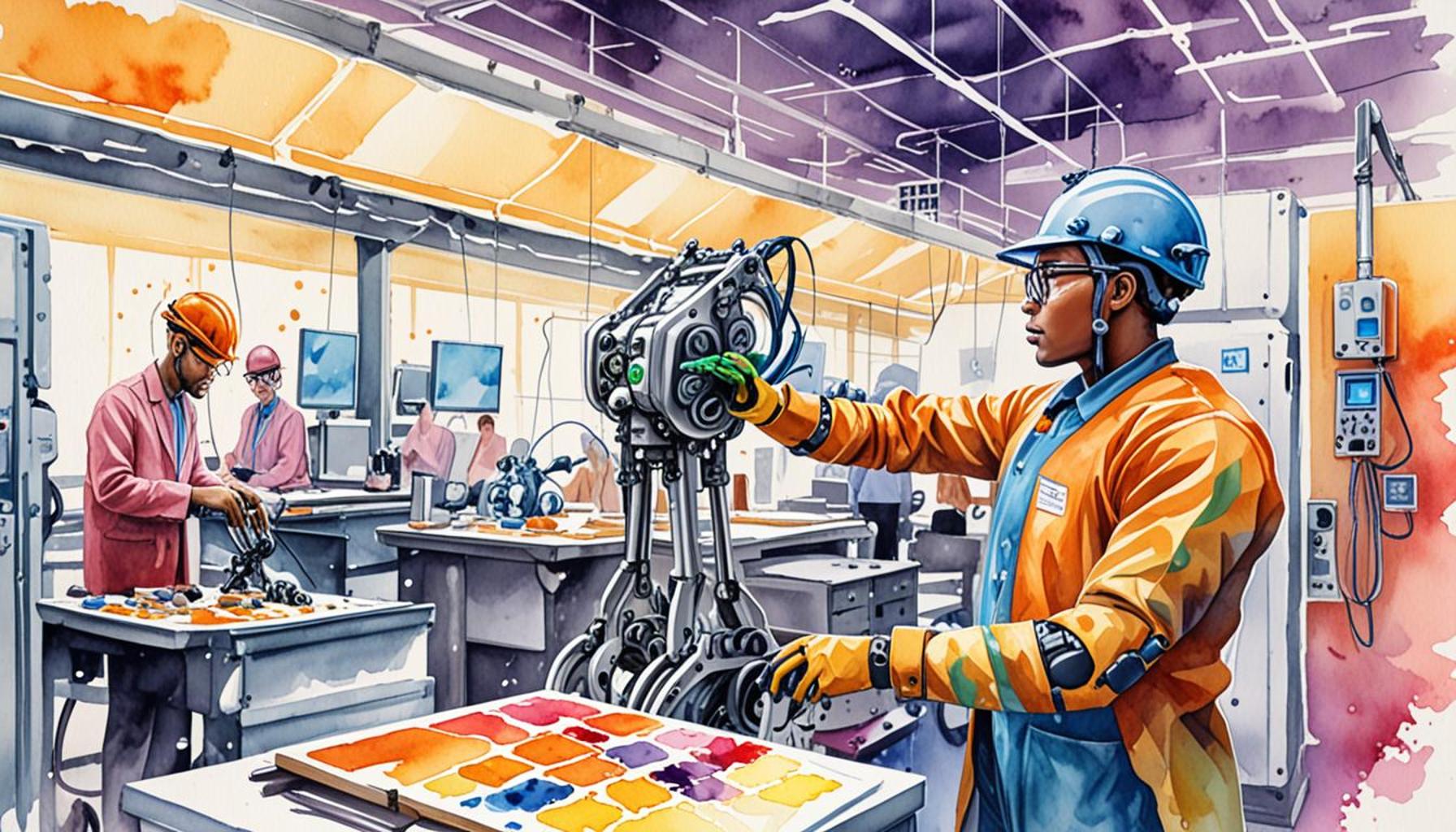
The modern workplace is becoming a fascinating laboratory of innovation, fueled by advancements in technology. Among these innovations, automation is not simply an upgrade—it is a fundamental reimagining of work itself. Companies across various sectors are capitalizing on technologies like artificial intelligence, machine learning, and robotics to enhance productivity and redefine service delivery.
Artificial intelligence is particularly impactful in transforming customer service. For example, chatbots and virtual assistants are not only providing immediate responses to customer inquiries but also learning from interactions to improve over time. This technology enables companies such as American Express to analyze customer behavior patterns better, tailoring their services to meet specific needs and enhancing customer satisfaction.
Machine learning further revolutionizes operations by automating complex data analysis processes. Financial institutions, for example, utilize machine learning algorithms to predict market trends and inform investment strategies. Firms like Goldman Sachs are increasingly relying on these technologies to optimize their trading activities, enabling quicker and more informed decisions while significantly reducing the risk of human error.
Robotics is making waves particularly in the manufacturing and logistics sectors. Companies such as Amazon are pioneering robotic automation in warehouses, which streamlines operations by reducing the time it takes to move products. This transformation not only enhances efficiency but also allows businesses to respond faster to consumer demands, a critical factor in today’s fast-paced economy.
However, as the workplace evolves, it comes with its own set of challenges. The rise of automation raises concerns about job displacement in roles traditionally filled by humans. For example, manufacturing jobs may see a reduction as robots take over repetitive tasks. Yet, this shift also creates opportunities for new roles that cater to emerging technologies, such as data analysts and AI ethicists.
Additionally, there is a pressing need for workforce upskilling and reskilling. Employees must adapt to the new technological landscape by acquiring new skills that align with the demands of an evolving job market. Companies that invest in training and development not only improve employee retention but also ensure they remain competitive.
In summary, these technological advancements promise to reshape economic structures and redefine employment in the United States. As we navigate through this period of unprecedented change, understanding and embracing these transformations will be vital for both employers and employees alike. The future of work is not just coming; it is already here, filled with potential for innovation and growth, and preparation is the key to success.
The Digital Revolution in the Financial Sector
The financial sector stands at the forefront of the digital transformation, undergoing a remarkable metamorphosis that is reshaping how services are delivered and consumed. Automation is driving efficiency and accuracy, resulting in a landscape where traditional bank branches are yielding ground to online platforms and fintech solutions. Organizations such as Square and Stripe have revolutionized payment processing, making transactions seamless for businesses of all sizes while simultaneously challenging conventional banking systems.
As consumers demand instant services and personalized experiences, data analytics emerges as a game-changer. Financial institutions harness vast amounts of customer data to gain deep insights into behavior, preferences, and spending habits. Predictive analytics allows companies to forecast future trends, enabling more targeted marketing strategies and improved customer engagement. Notably, firms like JPMorgan Chase are leveraging these insights to develop personalized financial products that cater to individual client needs, pushing the boundaries of customer service in the banking sector.
The proliferation of blockchain technology also represents a pivotal shift within the financial industry. By enabling secure, transparent transactions, blockchain enhances trust between parties and reduces the potential for fraud. This advancement is not limited to cryptocurrencies; it can transform various processes, such as cross-border payments, thereby making them faster and less costly. Major banks, including Bank of America, are actively exploring blockchain applications to streamline operations and stay competitive in an increasingly digital world.
As automation becomes woven into the fabric of finance, numerous economic implications emerge. The transition towards a more digitized economy prompts a reevaluation of job functions within financial institutions. Traditional roles, such as tellers and loan officers, appear at risk of obsolescence as machines take over menial tasks. However, these changes will inevitably lead to the emergence of new job categories that require a different skill set. Among the anticipated roles to flourish are:
- Data Scientists – Specialists who interpret complex datasets to drive business decisions.
- AI Specialists – Professionals skilled in developing and managing AI systems.
- Regulatory Compliance Analysts – Experts ensuring that automated processes adhere to legal and ethical standards.
- Cybersecurity Experts – Individuals tasked with protecting sensitive financial data from digital threats.
Furthermore, with job displacement looming over the horizon, the demand for upskilling will escalate. Financial institutions are increasingly recognizing the importance of equipping their current workforce with the necessary tools and skills to thrive in an automated world. Companies that commit to investing in employee development will not only enrich their talent pool but also foster innovation, positioning themselves ahead in the competitive landscape.
As we delve deeper into this transformation, it becomes clear that the future of work in the financial sector is steeped in automation. While challenges abound—integration of new technologies, job displacement, and the urgency for reskilling—this digital revolution also paves the way for new opportunities. Embracing these changes can lead to a more efficient, customer-centric financial ecosystem that benefits both businesses and consumers alike.
Emerging Financial Trends Fuelling Innovation
As automation continues to impact the financial sector, we are witnessing a surge in emerging financial trends that not only enhance traditional banking systems but also encourage a vibrant ecosystem of innovation. One of the most exciting developments is the rise of robo-advisors, which leverage advanced algorithms to provide personalized investment advice at a fraction of the cost of human advisors. Companies like Betterment and Wealthfront exemplify this trend, democratizing wealth management by making it accessible to a broader audience while significantly reducing fees for clients.
Moreover, the adoption of open banking is reshaping customer interactions with financial institutions. By allowing third-party developers to access financial information through APIs, banks can create interconnected services that offer consumers a seamless experience. This trend not only fosters competition and innovation but also empowers customers to have greater control over their finances. Consumers can now use applications that aggregate their financial data, enabling them to make informed decisions and optimize their financial health.
Another revolutionary advancement is the integration of artificial intelligence (AI) into credit scoring systems. Traditional credit scoring models have often excluded underserved populations due to a lack of credit history. However, companies like Upstart leverage alternative data sources, such as education and employment history, to provide more inclusive lending options. This evolution not only facilitates access to personal loans for millions but also promotes financial inclusion, addressing economic disparities that exist across different demographics in the US.
As these financial technologies continue to evolve, the importance of ethical considerations in automation becomes paramount. The increasing reliance on algorithms raises questions about fairness, transparency, and bias. Financial institutions are now faced with the challenge of ensuring that their automation tools are not only effective but also responsible. This has sparked a demand for professionals with expertise in ethical AI, tasked with safeguarding against algorithmic injustices while enhancing consumer trust in automated processes.
Furthermore, the influence of remote work trends, accelerated by the global pandemic, has also left an indelible mark on the financial industry. Institutions that once relied heavily on physical offices are now embracing flexible work arrangements, enabling teams to collaborate from anywhere. Companies like Goldman Sachs and Citigroup are exploring hybrid models, which not only enhance employee satisfaction but also expand the talent pool by allowing firms to hire skilled professionals regardless of geographic constraints.
The financial sector is also witnessing a surge in exciting developments like neobanks, fully digital banks that have no physical branches. These fintech offerings, such as Chime and N26, cater to digital-savvy consumers looking for low-fee, user-friendly banking solutions. Neobanks simplify financial management through innovative features like budgeting tools, automatic savings, and real-time spending notifications, meeting the needs of a younger, more tech-oriented demographic. As competition intensifies in this space, traditional banks are compelled to innovate, often partnering with fintech firms to introduce technological enhancements to their own services.
In essence, the financial sector is in the midst of exhilarating transformation, with automation as a pivotal driving force. As new technologies redefine job roles and enhance customer engagement, the conversation surrounding economic implications grows increasingly relevant. The ongoing evolution signifies a shift toward a more inclusive, efficient, and innovative financial landscape that stands to benefit consumers and institutions alike.
Conclusion: Embracing the Automated Future
As we look towards the future of work in the USA, it is clear that automation is not just a fleeting trend but a transformative force reshaping the job market and the economy as a whole. The rise of financial technologies and innovations such as robo-advisors and neobanks is revolutionizing the way consumers interact with financial services, promoting greater accessibility and financial inclusion. This evolution encourages new job opportunities in sectors previously underrepresented, highlighting the growing necessity for skills in ethical AI, data analysis, and tech-driven customer service.
Moreover, as traditional roles evolve and new occupations emerge, there is a pressing need for education and training programs that focus on equipping the workforce with relevant skills. The integration of remote work and hybrid models signifies a shift in workplace dynamics, allowing firms to tap into a broader talent pool while fostering employee satisfaction. However, it is crucial that businesses and policymakers actively address the challenges of workforce displacement to ensure no one is left behind in this new economic landscape.
Ultimately, the future of work is not solely about robots replacing human labor but rather about crafting collaborative environments where humans and machines coalesce to drive innovation and productivity. As we navigate the complexities of automation, embracing a forward-thinking mindset and prioritizing inclusive practices will be essential in harnessing the potential of these advancements, paving the way for a more equitable and prosperous society.

Linda Carter is a writer and financial expert specializing in personal finance and financial planning. With extensive experience helping individuals achieve financial stability and make informed decisions, Linda shares her knowledge on the Father Company platform. Her goal is to empower readers with practical advice and strategies for financial success.