Financial Sustainability: Green Investments and Their Impact on the American Economy
Understanding Green Investments
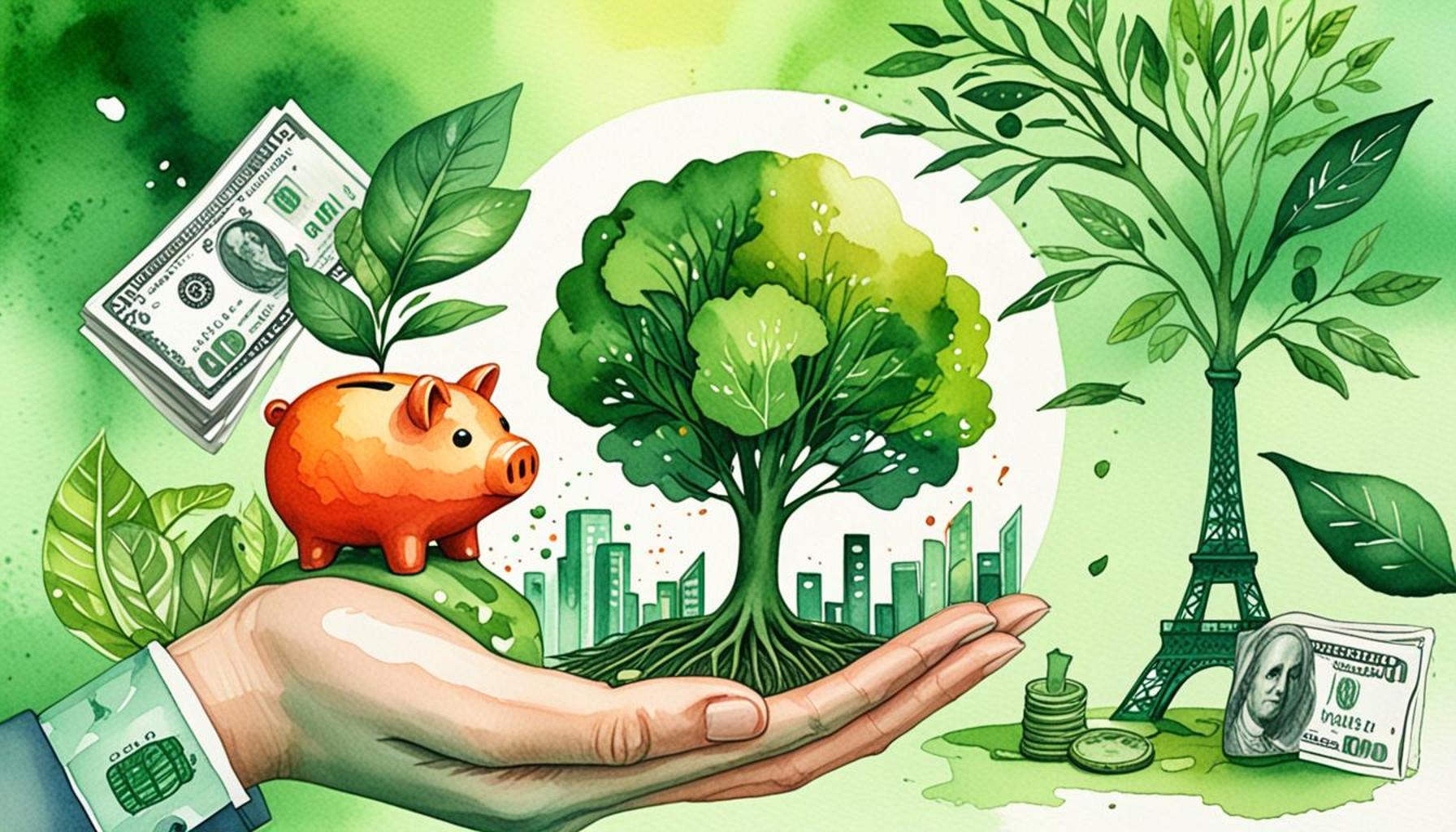
The rise of green investments in the financial sector marks a distinct shift that aligns the pursuit of profit with environmental stewardship. This transformation reflects a growing recognition that good financial practices can coexist with a commitment to the planet. As investors become increasingly aware of climate change and resource scarcity, green investments offer not just potential financial rewards but also a commitment to a sustainable future.
Exploring Key Sectors
The diverse spectrum of green investments includes several key sectors that are becoming increasingly relevant in the modern economy:
- Renewable Energy: This sector leads the charge with significant advancements in technologies like solar panels, wind turbines, and hydroelectric systems. For instance, according to the U.S. Energy Information Administration, the share of electricity generated from renewable sources has continuously risen, now surpassing 20% of total output in some regions.
- Sustainable Agriculture: Eco-friendly farming practices focus on reducing pesticide use, conserving water, and enhancing soil health. Innovative approaches, such as vertical farming and organic agriculture, have not only improved crop yields but also contributed to healthier food systems, which are essential in supporting urban populations.
- Green Infrastructure: Investments in energy-efficient buildings and public transportation systems create urban landscapes that prioritize sustainability. Cities like San Francisco are implementing green building codes that encourage energy efficiency and the use of sustainable materials, setting a benchmark for urban development.
The Broader Impact of Green Investments
The implications of embracing green investments extend far beyond environmental improvements:
- Job Creation: The green sector has emerged as a robust job creator. For instance, jobs in solar energy installation are projected to grow 20% by 2026, significantly outpacing traditional energy sectors.
- Economic Growth: By fostering innovation in sustainable technologies, green investments help stimulate local economies. Regions focusing on green industries often see a surge in startup activity and investment, driving overall economic development.
- Public Health: Healthy environments result in healthier populations. Reducing air and water pollution through green investments can lower the incidence of respiratory diseases and thus reduce healthcare costs for families and the government.
Corporate Responsibility and the Future
With changing regulations and societal expectations, U.S. businesses find themselves in a rapidly evolving landscape. Many are not just adopting sustainable practices for compliance reasons but are realizing the competitive advantages it can bring. Companies are increasingly integrating sustainability into their core business strategies, reflecting a paradigm shift in how success is defined.
In summary, the surge in green investments is a pivotal shift that reflects a new understanding of economic success as intertwined with environmental health. By exploring these investments, stakeholders and the general public alike can better navigate the financial landscape of the future. This understanding illuminates a path toward not just profit, but a more sustainable and equitable world.
The Economic Rationale Behind Green Investments
Green investments are not solely an altruistic endeavor; they represent a sound financial strategy grounded in the realities of a changing global economy. As traditional resources become scarcer and more expensive, the economic advantage of transitioning to green alternatives becomes increasingly clear. Analysts project that global green investment could reach nearly $150 trillion by 2030, illustrating the vast financial potential associated with sustainability. This metamorphosis underscores the vital connection between environmental health and economic well-being.
The Role of Policy in Shaping Green Investments
The success of green investments is largely influenced by government policies and incentives that advocate for sustainability. Various federal and state programs have emerged to promote renewable energy tax credits, grants for energy efficiency upgrades, and subsidies for electric vehicles. These initiatives not only reduce initial costs for businesses and consumers but also help stimulate market growth in green sectors. For example, the Investment Tax Credit (ITC) provides a 26% tax incentive for solar energy projects, creating a more appealing prospect for investors.
In addition, legislative frameworks, such as the Green New Deal, aim to create a comprehensive approach to combating climate change while ensuring economic growth. Such policies promote the development of sustainable infrastructure and energy-efficient technologies, paving the way for a cleaner and more resilient economy.
Attracting Investment through Green Bonds
One innovative financial instrument gaining traction in the U.S. is the green bond. These bonds are specifically designed to finance projects with positive environmental impacts. As of 2023, green bond issuance was projected to surpass $500 billion globally, with the U.S. being a significant contributor to this growth. The appeal of these bonds lies not only in their potential for competitive returns but also in their ability to attract socially-conscious investors who prioritize sustainable practices.
The increase in green bonds has led to enhanced financing opportunities for a variety of projects, including:
- Renewable energy installations
- Energy-efficient retrofits for buildings
- Waste management systems
- Transportation improvements
With so many investments positively impacting local economies, it is evident that green bonds create a ripple effect, ultimately influencing job growth and community development.
Cultivating a Sustainable Investment Ecosystem
For green investments to truly flourish, fostering an ecosystem that encourages sustainability is essential. This includes not only businesses and investors but also local communities and educational institutions. By integrating a focus on sustainability into educational curricula, future business leaders can be better equipped to think critically about environmental impacts and economic outcomes. Additionally, community engagement in local green projects often leads to increased public support and broader participation in sustainable initiatives.
In conclusion, the economic rationale behind green investments highlights their dual role as a catalyst for profit and a vehicle for positive environmental changes. As the American economy continues to evolve, understanding the balance between financial growth and ecological responsibility will be crucial for individuals and institutions alike.
Fostering Innovation through Green Technology
As green investments multiply, one notable consequence is the accelerated pace of innovation within the sector. Companies that prioritize sustainability are not merely altering their product lines; they are fundamentally redefining their business models to incorporate cutting-edge technologies. For instance, advancements in energy storage and smart grid technologies are making renewable energy sources more reliable, ensuring that solar and wind energy can meet consumer demands consistently. Such innovations are fueling competition and inspiring further investments across various industries.
The solar energy industry stands as a prime example of this phenomenon. According to the Solar Energy Industries Association, the U.S. solar industry employed over 250,000 people in 2022, reflecting an annual growth rate of over 20%. With the innovative applications of solar technology, from residential rooftops to large-scale solar farms, companies are harnessing the sun’s potential in ways previously unimaginable. The role of research and development (R&D) in this regard cannot be overstated; federal funding for clean energy technologies has bolstered R&D initiatives, allowing companies to experiment with new solutions and driving the market forward.
The Global Market for Green Products
The demand for sustainable products is not solely a domestic trend; it is a vital component of global markets. U.S. companies that invest in green products often find themselves at the forefront of international trade discussions. The global market for green technology and sustainable products is poised to exceed $10 trillion by 2030, creating significant export opportunities for American businesses. This dimension of financial sustainability emphasizes the importance of domestic firms positioning themselves to compete both locally and globally.
Additionally, initiatives like the Paris Agreement have intensified global collaboration and commitments to reduce greenhouse gas emissions. American companies now have a unique opportunity to align their operations with global standards, ensuring that their sustainable practices are recognized internationally. By doing so, they not only contribute to environmental goals but can also leverage their green credentials to enhance their reputations and attract new investors.
Creating Jobs and Supporting Local Economies
Arguably one of the most significant impacts of green investments on the American economy is job creation. The transition to a sustainable economy has led to a surge in demand for skilled labor across various sectors. According to a report by the International Renewable Energy Agency (IRENA), the renewable energy sector globally employed around 12 million people in 2021, with expectations to rise substantially in the next decade. In the U.S., jobs in clean energy have consistently outpaced those in fossil fuels, presenting a clear opportunity for workers seeking stable and rewarding careers.
Moreover, investing in local green initiatives helps bolster community economies. Programs that enhance energy efficiency in schools and public buildings not only decrease operational costs but also create jobs for local contractors and suppliers. The economic stimulation generated by such investments reverberates through communities, often leading to improved public services and enhanced quality of life for residents.
The Social Dimension of Green Investments
Financial sustainability through green investments also encompasses social responsibility. Many companies recognize that fostering diversity, equity, and inclusion within their operations aligns with their sustainable mission. Businesses that integrate these values into their investment strategies not only attract a potentially loyal customer base but also benefit from the diverse perspectives that drive innovation and improve corporate viability. Studies have shown that companies with diverse leadership teams are more competitive, providing a strong argument for marrying financial and social objectives.
As American society increasingly places value on sustainable practices, businesses focusing on both ecological and social dimensions are poised to reap the rewards of a growing market segment that prioritizes responsible consumption.
Conclusion
In summary, the shift towards financial sustainability through green investments is not merely a trend but a profound transformation shaping the American economy. The emergence and scaling of renewable energy technologies, demonstrated by the soaring 20% annual growth rate of the solar industry, reveal an impressive capacity for innovation and economic stimulation. As U.S. companies increasingly engage with global markets projected to surpass $10 trillion by 2030 for green products, they position themselves as competitive contenders on the international stage.
Moreover, the job market is witnessing a positive pivot; clean energy jobs are growing at a faster rate than those in traditional fossil fuel sectors, underscoring the role that green investments play in job creation and economic revitalization. These investments not only bolster local economies through the enhanced energy efficiency of schools and public buildings but also contribute to improving public services and overall societal quality of life.
Additionally, the integration of social responsibility into financial sustainability strategies fosters diversity and enhances corporate viability. Companies that adopt these principles attract a loyal consumer base and tap into the varied perspectives that drive innovation. This multifaceted approach to green investments creates a rich tapestry of benefits that extend beyond mere financial returns, shaping a more sustainable future for both businesses and communities.
As we look ahead, the call for continuous innovation and a commitment to socially responsible practices becomes crucial. Embracing green investments today not only serves as a pathway to economic resilience but also lays the groundwork for a sustainable legacy that future generations can build upon. The time to act is now, and the opportunities are ripe for exploration and investment in this burgeoning sector.

James Carter is a financial writer and consultant with expertise in economics, personal finance, and investment strategies. With years of experience helping individuals and businesses navigate complex financial decisions, James provides practical insights and analysis. His goal is to empower readers with the knowledge they need to achieve financial success.