Impact of Inflation on the Domestic Economy of the United States
Understanding Inflation
Inflation is not just a statistic reported in the news; it is a vital economic force that impacts the everyday lives of citizens. When inflation occurs, the value of money decreases, which means that consumers need more dollars to purchase goods and services they previously bought for less. This phenomenon can lead to noticeable changes in daily life.
Purchasing Power
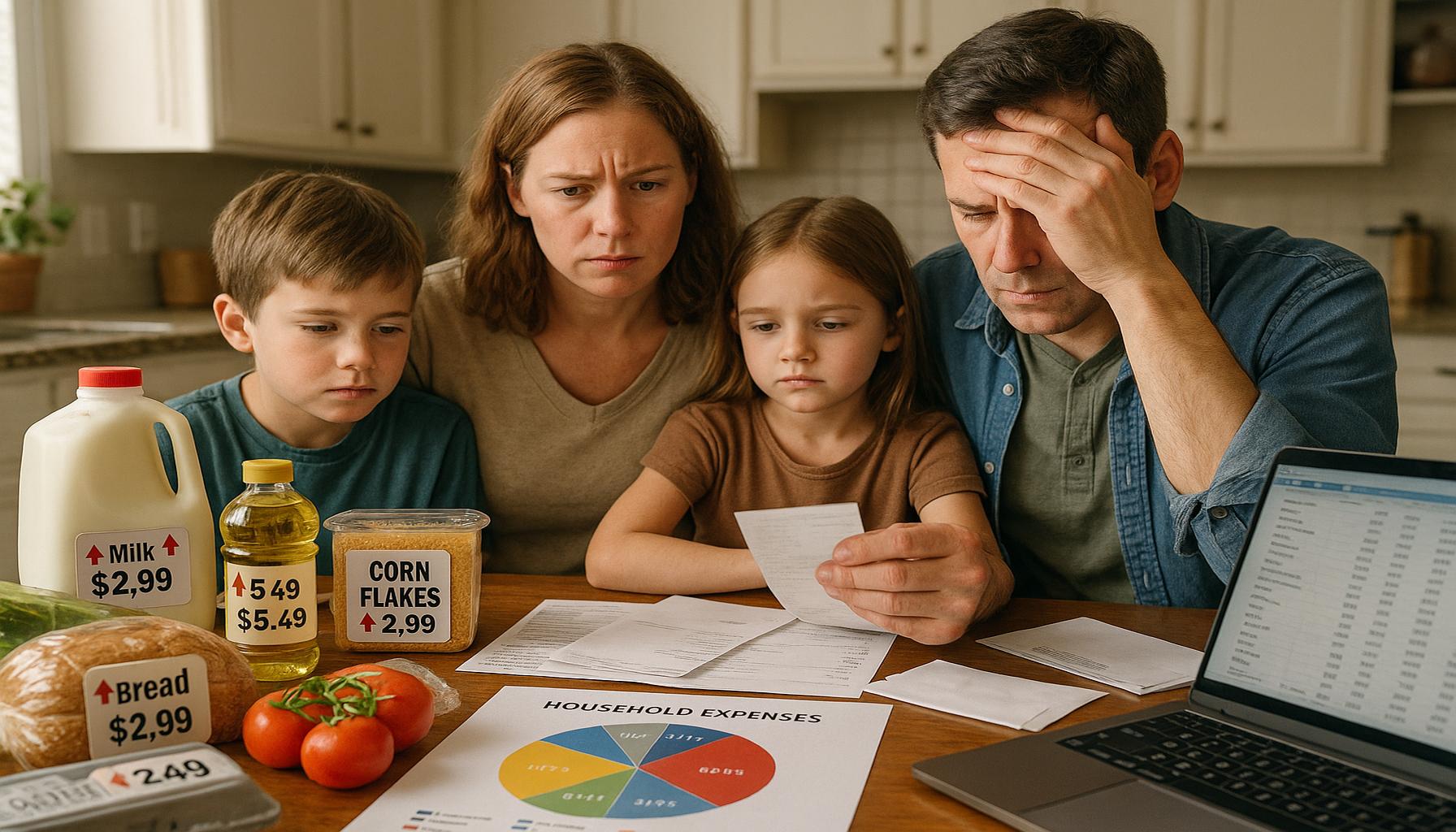
As inflation rises, the purchasing power of the dollar declines. For example, if a loaf of bread cost $2 last year and inflation increases by 5%, that same loaf may now cost $2.10. Although the increase may seem minor, over time, these small changes accumulate, causing a significant strain on household budgets. Families may find themselves needing to allocate more of their income to basic necessities, thereby limiting their ability to save or spend on leisure activities.
Consumer Behavior
Inflation often prompts changes in consumer behavior. Faced with rising prices, many people become more price-sensitive. This could manifest in a few ways: shoppers may shift to purchasing store-brand products rather than name-brand items, or they may choose to delay major purchases, such as new cars or home renovations, until prices stabilize. For instance, during periods of high inflation, consumers might opt for dining at home instead of going out, which not only saves money but also alters the dynamics of the restaurant industry.
Impact on Interest Rates
To combat inflation, central banks like the Federal Reserve often increase interest rates. Higher interest rates can have far-reaching effects on various financial products. For example, consumers might see higher rates on mortgages, which can make buying a home more expensive. If a family is looking to buy their first house and the mortgage rate jumps from 3% to 4%, that could mean paying hundreds more each month in mortgage payments. Additionally, higher interest rates can encourage saving, as individuals receive better returns on their savings accounts.
Ultimately, the ripple effects of inflation influence multiple sectors of the economy. Families face rising living costs that squeeze budgets, while businesses encounter increased expenses for raw materials, leading them to raise prices further. Inflation creates a cycle that can inhibit growth and make financial planning more complicated. Understanding these dynamics is crucial for Americans aiming to navigate their personal finances effectively amidst fluctuating economic conditions.
Grasping the intricacies of inflation is essential for shaping informed economic policies and crafting sound personal finance strategies. By being aware of how inflation interacts with various aspects of life, individuals can make better decisions that align with their financial goals.
The Broader Economic Implications of Inflation
Inflation does not merely affect consumers; it permeates the entire domestic economy, influencing business operations, wage dynamics, and government policies. Understanding the broader economic implications can give a clearer picture of how inflation shapes the landscape of everyday life in the United States.
Impact on Businesses
For businesses, rising inflation can present both challenges and opportunities. As operating costs increase, companies may face pressure to either absorb these costs or pass them on to consumers in the form of higher prices. Small businesses, in particular, often find it more difficult to navigate these waters. For instance:
- **Raw Material Costs:** If the price of steel rises due to inflation, a construction company may need to increase its prices, potentially driving away customers.
- **Labor Costs:** Employers facing inflation may need to raise wages to attract and retain employees, which can lead to higher overall expenses.
- **Pricing Strategies:** Businesses must carefully strategize their pricing to remain competitive while managing increased costs; a delicate balance that can affect profitability.
In industries with tight profit margins, such as retail, businesses might struggle to adapt, leading to potential layoffs or even closures.
Wage Adjustments and Labor Market Dynamics
Inflation also has direct implications for wages. Workers often demand higher wages to keep up with the cost of living. This can lead to a phenomenon known as the wage-price spiral, where increasing wages lead to higher spending, prompting businesses to raise prices further. In a country where a significant percentage of the labor force works in hourly jobs, this situation can quickly escalate. For example:
- **Minimum Wage Impact:** As inflation rises, discussions around raising the minimum wage often gain momentum. States may respond with their own increases, impacting small businesses.
- **Collective Bargaining:** Unions may negotiate for higher wages during contract renewals, further pushing wages upward and creating a cycle that perpetuates inflation.
- **Job Mobility:** Employees may seek new jobs offering better pay to combat the loss of purchasing power, leading to increased job turnover rates in various sectors.
Economic Policy Responses
To combat the adverse effects of inflation, the government and the Federal Reserve may implement various economic policies. These can include raising interest rates, as previously mentioned, and enacting fiscal policies aimed at stimulating or cooling down economic activity. The goal is to strike a balance that promotes stable growth while keeping inflation in check. Adjustments made by policymakers are often closely scrutinized, as they have a direct impact on:
- The overall economic growth rate
- The unemployment rate
- Consumer sentiment and confidence
As inflation continues to shape the economic narrative in the United States, understanding these dynamics will be essential for individuals, businesses, and policymakers alike. A comprehensive grasp of how inflation affects various components of the economy can better equip stakeholders to respond effectively and adapt to the ever-changing financial landscape.
Inflation and Consumer Behavior
One of the most immediate effects of inflation is the impact on consumer behavior. As prices rise, individuals and families may adjust their spending habits, often prioritizing essential goods and services over discretionary items. This shift can reshape market dynamics, effectively changing the landscape of the consumer economy.
Changes in Spending Patterns
When inflation drives up the prices of everyday necessities such as food, gas, and housing, consumers often find their budgets increasingly stretched. This situation can lead to significant changes in spending behaviors, including:
- Decreased Discretionary Spending: Families may cut back on entertainment, dining out, and luxury purchases. For instance, a family that previously enjoyed frequent trips to restaurants might opt for home-cooked meals to save money.
- Prioritization of Essentials: Consumers are likely to allocate a higher percentage of their income to essential goods, which can lead to increased demand for budget-friendly options and discount retailers.
- Shift to Alternative Brands: Price sensitivity may drive consumers to choose generic brands or lower-cost alternatives; for example, opting for store-brand products instead of national brands to save money.
This shift in spending patterns can greatly affect businesses that rely on discretionary income, with potential consequences like decreased revenues and strategic adjustments in marketing and inventory management.
Consumer Confidence and Economic Sentiment
Inflation can have a profound effect on consumer confidence. When people perceive that their purchasing power is eroding, they may feel less secure about their financial future, leading to hesitance in making big-ticket purchases. This can create a ripple effect across the economy, impacting:
- Consumer Confidence Index: Economic indicators that measure consumer sentiment can reflect rising concerns about inflation, which might deter spending and economic growth.
- Investment Decisions: A drop in consumer confidence can lead to reduced business investment, as companies may hesitate to expand operations or hire new employees when demand appears uncertain.
- Long-Term Financial Planning: Households struggling with inflation may prioritize short-term financial stability over long-term investments, such as retirement savings, due to concerns about future purchasing power.
The psychological impact of inflation cannot be understated, as uncertainty may hinder individuals from making necessary economic decisions, ultimately affecting overall economic growth.
The Housing Market Dynamics
Another critical sector affected by inflation is the housing market. Rising costs can create a complex interplay of consequences for both buyers and renters. For example:
- Mortgage Rates: If the Federal Reserve raises interest rates to combat inflation, mortgage rates may also rise, making it more expensive for potential homebuyers to secure a mortgage. This could suppress demand for homes, leading to a deceleration in price growth.
- Rental Prices: As owning becomes pricier, more individuals may opt to rent, increasing demand for rental properties and consequently driving up rents. This adds additional pressure to households, especially those already struggling with wages failing to keep pace with inflation.
- Real Estate Market Stability: A volatile housing market, characterized by fluctuating prices and increased demand for rental units, can make it more challenging for families to find affordable housing, contributing to broader economic inequalities.
Understanding the impact of inflation on consumer behavior and the housing market provides essential insights into how these factors collectively shape the domestic economy of the United States. The ongoing dialogue about inflation underscores the importance of vigilance and adaptability as individuals and businesses navigate the shifting economic landscape.
Conclusion
In summary, inflation exerts a significant influence on the domestic economy of the United States, reshaping consumer behavior, affecting spending patterns, and altering the dynamics of crucial sectors like housing. As inflation drives up the prices of essential goods and services, consumers are compelled to prioritize their spending more carefully. This shift not only impacts households trying to maintain their standard of living but also poses challenges for businesses that rely on discretionary spending.
Moreover, the relationship between inflation and consumer confidence cannot be overstated. When individuals feel their purchasing power diminishing, it creates a cloud of uncertainty that can stifle economic growth. As observed, decreased consumer confidence can lead to reduced investment by businesses, further compounding the economic impact of inflation. The housing market serves as a prime example of these effects, where rising costs for buyers can lead to increased demand for rentals, ultimately inflating rental prices and exacerbating issues of affordability.
Looking ahead, it is crucial for policymakers to address these inflationary pressures through effective measures while fostering an environment that supports consumer confidence and economic stability. Additionally, as consumers and businesses adapt to the changing economic landscape, continued awareness and proactive financial planning become essential to navigate the complexities introduced by inflation. Ultimately, fostering a robust and resilient economy will require both understanding and adaptability in response to the challenges posed by inflation.

Linda Carter is a writer and financial expert specializing in personal finance and financial planning. With extensive experience helping individuals achieve financial stability and make informed decisions, Linda shares her knowledge on the Father Company platform. Her goal is to empower readers with practical advice and strategies for financial success.