
The impact of artificial intelligence on the efficiency of financial markets and its economic implications in the USA
Artificial intelligence is transforming the efficiency of financial markets in the USA, enhancing decision-making, risk assessment, and accessibility for investors. While it drives profitability and democratizes investment opportunities, AI introduces challenges like market volatility and regulatory concerns, necessitating careful oversight to ensure economic stability and equity.

Cryptocurrencies and Their Regulation: Challenges for Economic Stability in the USA
The rise of cryptocurrencies has introduced significant challenges for regulatory frameworks in the USA, impacting economic stability. Issues such as market volatility, fraud risks, and tax compliance complicate investor confidence. A cohesive regulatory approach is essential to balance innovation while safeguarding the integrity of financial systems amidst evolving digital landscapes.

Investment Strategies in Cryptocurrencies: Risks and Opportunities for New Investors
New cryptocurrency investors must understand the market's volatility, regulatory landscape, and diverse investment options. Effective strategies, such as portfolio diversification and risk management, are crucial for success. By conducting thorough research and employing disciplined trading practices, investors can navigate risks and seize opportunities in this ever-evolving financial frontier.

The Benefits of Investing in Green Bonds: How to Contribute to a Sustainable and Profitable Future
Green bonds offer a unique investment opportunity, combining environmental sustainability with competitive financial returns. By funding projects aimed at combating climate change, these bonds attract diverse investors seeking both stable income and social impact. As demand rises, integrating green bonds into portfolios promotes a sustainable future while enhancing financial performance.

The Influence of Financial Technology (Fintechs) on Investment Methods
Financial technology is transforming investment methods by democratizing access and enhancing user engagement. Innovations such as robo-advisors, blockchain technology, and investment apps provide affordable, secure, and flexible options for all investors. This shift promotes inclusivity and proactive financial management while shaping the future landscape of personal finance and investment opportunities.

Sustainable Investments: How to Integrate Social Responsibility into Your Portfolio
Sustainable investments are increasingly vital, merging financial growth with social responsibility. By leveraging data-driven strategies and various approaches, such as negative screening and impact investing, individuals can align their portfolios with ethical values while enhancing risk management and performance. This shift fosters a more sustainable economy for future generations.

Risk Analysis: How to Assess the Financial Health of a Company Before Investing
Understanding risk analysis is crucial for assessing a company's financial health before investing. Key financial metrics such as revenue growth, profit margins, and debt levels provide insights into a firm's stability. A thorough evaluation of financial statements and ratios empowers investors to make informed decisions, minimizing risks and maximizing returns.

Investing in Real Estate: Analyzing Opportunities in a Growing Market
This article explores the booming real estate market driven by low-interest rates and population growth. It emphasizes strategic investment opportunities across residential, commercial, and crowdfunding avenues. Investors are encouraged to conduct in-depth market analysis, assess risks, and adapt to emerging trends to maximize returns in today's changing landscape.
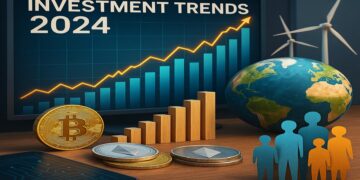
Investment Trends for 2024: What to Expect in a Changing Economic Landscape
As the economic landscape shifts in 2024, investors should focus on key trends, including interest rate adjustments, sustainable investments, and technological advancements. By exploring resilient sectors like technology and healthcare, and embracing eco-friendly opportunities, investors can navigate potential challenges while positioning their portfolios for growth in a changing environment.

The Psychology of the Investor: How Emotions Influence Investment Decisions
Emotions significantly shape investment decisions, leading individuals to irrational behaviors like panic selling or overconfidence. Understanding psychological factors such as fear, greed, and loss aversion helps investors create effective strategies, fostering more disciplined approaches to navigate volatile markets and enhance overall financial success.