The Psychology of the Investor: How Our Emotions Affect Our Investment Decisions
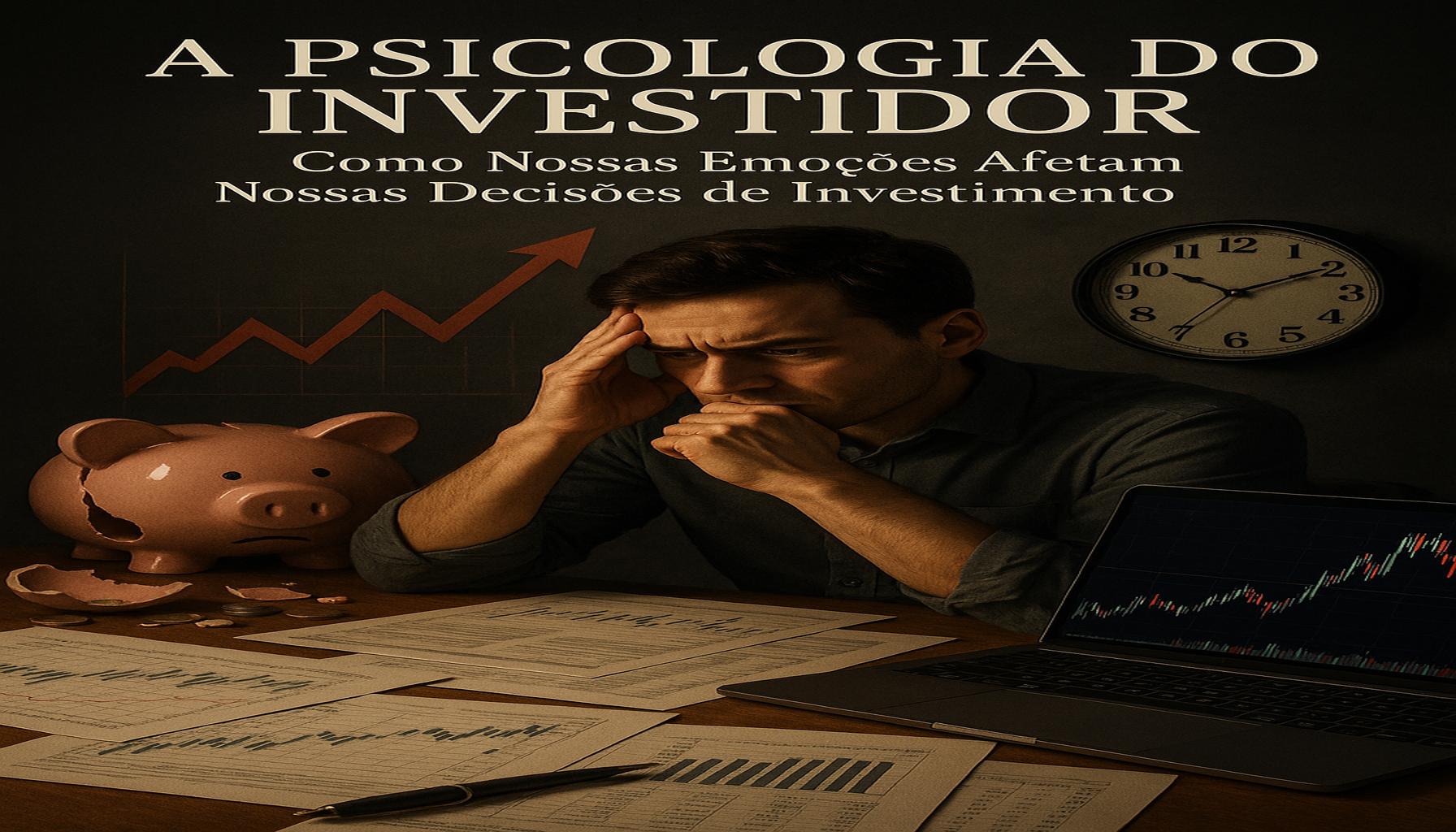
Understanding Emotional Influences in Investing
Every investor faces the challenge of managing their emotions while making crucial financial decisions. Understanding the psychology behind investing can profoundly impact the outcomes of your investments. Emotional intelligence plays a key role in thе world of investing; acknowledging and addressing our feelings can enhance our ability to make sound financial choices.
Investors often experience a range of emotions that influence their choices, including:
- Fear – This emotion can lead to panic selling during market downturns. For example, if a major market event occurs, such as a financial crisis, fearful investors may sell their stocks hastily to avoid further losses, often locking in their losses instead of riding out the volatility.
- Greed – Greed can result in the overestimation of potential gains, tempting investors to chase high-yield investments without fully understanding the associated risks. For instance, during a bull market, an investor might pour money into hot technology stocks that have skyrocketed in price, only to face a significant downturn when the bubble bursts.
- Overconfidence – Many investors fall prey to overconfidence, leading them to underestimate risks associated with their trades. An example of this is a new investor who has seen positive returns over several months, believing they have a unique ability to predict market movements, which can ultimately lead to substantial losses.
- Loss aversion – This psychological phenomenon refers to the tendency to prefer avoiding losses rather than acquiring equivalent gains. An investor might hold onto a losing stock, hoping it will recover instead of selling and reinvesting in more promising opportunities, often hindering their financial growth.
These emotions can cloud judgment and lead to irrational behaviors. A common scenario occurs during a market rally when investors may rush to buy high, driven by excitement, only to face regret later when prices drop. The fear of missing out (FOMO) can compel investors to act against their better judgment.
By recognizing and understanding our emotional triggers, we can develop strategies to mitigate their influence on our decisions. Practicing mindfulness, setting clear investment goals, and adhering to a disciplined strategy can help counteract emotional impulses. Additionally, having a well-defined investment plan can guide investors through turbulent times, promoting more rational decision-making processes.
This article aims to explore key psychological concepts that every investor should consider in their journey toward financial success. By fostering emotional awareness and maintaining a balanced perspective, investors can navigate the complex world of finance with greater confidence and success.
The Role of Key Emotions in Investment Behavior
To successfully navigate the world of investing, it is crucial to understand how key emotions shape our behaviors and decision-making processes. Emotional responses can often lead investors to deviate from sound financial principles, resulting in unintended consequences. Let’s delve deeper into some of the primary emotions that commonly affect investors and how they manifest in investment choices.
Fear and Its Consequences
Fear is one of the most powerful emotions driving investor behavior. In the face of market volatility or economic uncertainties, fear can trigger a quick and often detrimental response. For example, during the COVID-19 pandemic, many investors experienced sharp declines in their portfolio values. This fear led numerous individuals to sell off their stocks at significant losses, fearing further declines. By succumbing to panic selling, these investors not only locked in their losses but missed out on the eventual recovery that followed.
The Allure of Greed
Conversely, greed can compel investors to pursue high-risk opportunities, often ignoring prudent investment principles. The euphoria surrounding rapidly rising asset prices can create a bandwagon effect, where investors feel pressured to jump onto the latest trend. As witnessed during the dot-com bubble of the late 1990s, many inexperienced investors poured their savings into tech stocks that seemed to soar endlessly, ultimately resulting in disastrous losses when the market corrected itself. Recognizing the fine line between seeking profit and succumbing to greed is essential for maintaining a balanced investment strategy.
The Danger of Overconfidence
Overconfidence can lead investors to make impulsive decisions that ignore market realities. Many individuals, particularly novice investors who achieve short-term gains, may underestimate inherent risks. For instance, someone may see a series of profitable trades and mistakenly believe they possess a unique ability to predict market trends. This false sense of security can prompt them to take outsized risks, ultimately leading to significant financial setbacks when the market turns against them. It’s important to balance confidence with humility; understanding that market dynamics are unpredictable can cultivate more cautious investment behaviors.
Loss Aversion and Its Impact
Loss aversion plays a crucial role in the decision-making process for many investors. This psychological tendency highlights that the pain of losing is felt more acutely than the pleasure of gaining an equivalent amount. As a result, an investor might cling to a declining stock, hoping that it will rebound instead of cutting losses and reallocating funds to more promising investments. This behavior can severely hinder portfolio performance and stifle opportunities for recovery. The key to overcoming loss aversion lies in adopting a rational approach and focusing on the overall investment strategy rather than individual short-term fluctuations.
By being mindful of these emotional influences, investors can develop greater self-awareness and foster habits that promote objective decision-making. In the subsequent sections, we will explore practical strategies for leveraging emotional intelligence to enhance investment outcomes, illustrating how effective emotional management can lead to a more successful investing journey.
Understanding Psychological Biases in Investing
Investment decisions are not solely driven by emotions; they are also influenced by various psychological biases that can cloud judgment. These biases can lead to errors in analysis and result in poor investment choices. Let’s explore some of these biases to understand how they impact the decision-making process for investors.
Confirmation Bias and Its Implications
Confirmation bias refers to the tendency of investors to seek and interpret information in a way that confirms their pre-existing beliefs or hypotheses. When individuals are overly confident in a particular stock or investment strategy, they may only pay attention to news and analysis that supports this belief while disregarding contradicting information. For instance, an investor who strongly believes in a specific technology company’s future may ignore negative reports or sector downturns, leading to poorly informed decisions. This bias can hinder adaptability in a rapidly changing market environment, as it may prevent investors from recognizing and acting on emerging risks.
The Effect of Herd Behavior
Herd behavior occurs when individuals follow the actions of a larger group, often disregarding their own analysis or instincts. This phenomenon can amplify market movements, resulting in inflated asset prices during booms and catastrophic sell-offs during crashes. For example, during the 2008 financial crisis, many investors were swept up in the panic and sold off their assets without evaluating the true value of their investments. To combat herd behavior, investors should focus on conducting their own research and not rely solely on popular trends or market noise.
Endowment Effect and Its Influence on Decisions
The endowment effect is a cognitive bias where individuals assign greater value to items simply because they own them. In investing, this can lead to suboptimal decisions, as investors may hold onto losing stocks longer than rational analysis would suggest, based on the psychological discomfort of acknowledging a loss. For example, if an investor purchased shares of a company at $100 and watched the price drop to $60, they might irrationally hold onto the stock, convinced that it will eventually regain its value, instead of reallocating funds into a better opportunity. Awareness of the endowment effect can help investors cultivate a more pragmatic approach to managing their portfolios.
Anchoring and Its Risk
Anchoring is another bias that can disrupt sound decision-making. It occurs when individuals rely too heavily on the first piece of information they encounter when making decisions. For investors, this could mean fixating on a past stock price or the price they initially paid for an asset. If an investor buys a stock at $50 and refuses to sell it even when it drops to $30, they may be anchored to their initial investment rather than evaluating its current market conditions. Learning to detach from anchors and regularly reassessing investment valuations based on the current landscape is essential for successful long-term investing.
Recognizing these psychological biases allows investors to make more informed decisions and avoid the pitfalls associated with emotional reasoning. Developing self-awareness and implementing systematic strategies can foster discipline and lead to better investment outcomes. In the following sections, we will discuss actionable techniques that can help investors harness emotional awareness and bias recognition to enhance their overall investment performance.
Conclusion
Understanding the psychology of investing is crucial for anyone looking to navigate the complex world of finance. As we’ve explored, emotional factors such as fear, greed, and overconfidence can significantly impact decision-making, often steering investors away from rational choices. For instance, during market downturns, fear may compel investors to sell off their assets at a loss, while in booming markets, greed may lead them to take excessive risks without proper evaluation. These emotional responses can cloud judgment and prevent individuals from executing well-thought-out investment strategies.
The influence of psychological biases is profound. Confirmation bias, for example, drives investors to seek information that supports their existing beliefs while ignoring contradictory evidence, potentially leading to disastrous investment decisions. Similarly, herd behavior can cause individuals to follow the crowd, resulting in inflated prices for poorly performing stocks simply because they are popular at the moment. The endowment effect, where individuals value assets more highly simply because they own them, can prevent timely selling of underperforming stocks. Lastly, anchoring refers to the tendency of investors to fixate on certain reference points, like a stock’s previous high price, which may hinder objective assessment of its current value.
To cultivate successful investment habits, it is essential for investors to acknowledge these biases, develop emotional awareness, and implement structured approaches to decision-making. This can include setting clear investment goals, such as saving for retirement or buying a home, which can provide a guiding framework. Regularly reviewing one’s portfolio helps ensure that asset allocations remain aligned with these goals, while being open to external feedback and analysis can introduce fresh perspectives that mitigate biases.
Working with financial advisors or utilizing analytical tools can also promote objective evaluation over emotional reasoning. For example, advisors can help assess market conditions and outcomes based on data, safeguarding investors from making impulsive decisions based on fleeting emotions.
Ultimately, investing is not just about numbers and statistics; it’s also a profoundly human endeavor influenced by our psychology. By recognizing how emotions and biases affect our investment behavior, we can make more informed decisions that align with our long-term financial objectives. Embracing a disciplined and mindful investment strategy—like adhering to the principles of dollar-cost averaging or diversification—can pave the way for greater success and confidence in our financial journeys.

Linda Carter is a writer and financial expert specializing in personal finance and financial planning. With extensive experience helping individuals achieve financial stability and make informed decisions, Linda shares her knowledge on the Father Company platform. Her goal is to empower readers with practical advice and strategies for financial success.