The role of fiscal policies in post-pandemic economic recovery
Understanding Fiscal Policies and Their Importance
Fiscal policies are vital tools that governments utilize to influence their national economy. In the wake of the pandemic, these policies have become essential for facilitating economic recovery. Essentially, fiscal policies involve the strategic use of government spending and tax adjustments, aiming to stabilize and stimulate the economy when it faces challenges. This means adjusting how much money the government spends and how much it collects in taxes to encourage economic activity.
Key Functions of Fiscal Policies
- Stimulating Economic Growth: One of the primary functions of fiscal policy is to stimulate economic growth. For instance, when the government undertakes infrastructure projects—such as building new highways or bridges—it not only invests in necessary public goods but also kick-starts consumer demand by creating job opportunities in construction and related industries. As people earn wages from these jobs, they spend more on goods and services, further boosting the economy.
- Job Creation: Investments in public projects are a crucial aspect of job creation. When the government funds projects like renewable energy installations or urban redevelopment initiatives, it creates a substantial number of jobs. For example, in response to economic downturns, governments have historically ramped up spending on infrastructure, which has led to significant reductions in unemployment.
- Supporting Vulnerable Populations: Beyond stimulating the economy, fiscal policies also aim to support vulnerable populations. During crises like the COVID-19 pandemic, the provision of financial aid, such as stimulus checks and unemployment benefits, served as a critical lifeline for those most affected by economic disruptions. By offering tax relief and direct payments, governments sought to stabilize family finances and prevent widespread economic despair.
By implementing targeted fiscal measures, governments can effectively address the myriad challenges individuals and businesses face, especially during tough economic times. A notable example is the U.S. government’s $1,200 stimulus checks issued in 2020, which provided immediate financial assistance to millions of families grappling with sudden income loss. Such actions not only highlight the importance of fiscal policy but also demonstrate its ability to shape a nation’s economic trajectory in both good and challenging times.
Challenges Ahead
While fiscal policies are powerful, they come with inherent challenges. For example, extensive government spending can lead to increased national debt, which poses potential long-term economic consequences. This debt can affect a nation’s ability to fund future initiatives, as a significant portion of the budget may need to be allocated to servicing that debt. Moreover, crafting effective fiscal policies requires a nuanced understanding of the unique circumstances of different regions, necessitating careful analysis and a tailored approach.
In this article, we will explore how fiscal policies can be effectively utilized in the United States to foster a robust post-pandemic recovery. Understanding the delicate balance of fiscal measures will provide insights not only into immediate economic stabilization but also into sustainable growth opportunities for the future.
Fiscal Policies in Action: A Path to Recovery
As the world begins to emerge from the struggles brought on by the COVID-19 pandemic, the role of fiscal policies becomes increasingly crucial. These policies not only dictate how governments react in times of economic crisis but also lay the groundwork for long-term recovery and growth. Understanding how fiscal measures are deployed provides insight into their effectiveness in revitalizing economies.
Reinforcing Economic Stability
Fiscal policies are particularly significant in reinforcing economic stability during periods of crisis. The aftermath of the pandemic has left many companies struggling, supply chains disrupted, and consumer confidence in flux. In such an environment, timely fiscal interventions can help maintain stability and prevent further decline. For example, governments can opt to provide direct financial support to businesses through grants or loans, enabling them to weather the storm and retain employees. When businesses remain solvent, they contribute to overall economic vitality, further promoting a healthy labor market.
Moreover, targeted fiscal measures such as tax incentives can encourage businesses to invest and expand, driving job growth. Incentivizing research and development in new technologies or eco-friendly energy solutions is one way governments can shape the economy’s future while addressing pressing issues, such as climate change. Such initiatives seem necessary not only for recovery but also for enhancing the nation’s global competitiveness.
Broadening Economic Access
In the effort to ensure a robust recovery, fiscal policies can also broaden economic access. Many marginalized groups were disproportionately affected by the pandemic, and implementing inclusive fiscal strategies can aid in leveling the playing field. Universal basic income programs and expanded childcare benefits are examples of initiatives that can provide families with the support they need to regain financial independence. By empowering individuals, these measures help foster a consumer base that drives demand and economic activity.
Additionally, investing in education and training can equip citizens with the skills necessary for emerging job markets. This is vital in an era where technological advancements continuously reshape the workforce landscape. When governments allocate funds toward education, they do more than assist individuals; they invest in the nation’s future by cultivating a skilled workforce prepared for the challenges ahead.
The Role of Public Health Investments
Another critical consideration is the necessity of fiscal policies that prioritize healthcare investment. The pandemic revealed the vulnerabilities in health systems across the globe, underlining the importance of bolstering public health infrastructures. Governments can channel fiscal resources into healthcare initiatives to ensure that future crises are met with preparedness. By establishing robust healthcare systems and contingencies, nations not only protect their citizens but also enhance their overall resilience, which is crucial for economic stability.
As we delve deeper into the specifics of fiscal policies in the United States, it becomes evident that a thoughtful approach is essential. By being strategic in their implementations, governments can maximize the impact of fiscal measures, fostering a recovery that is sustainable and equitable for all citizens. The path toward economic revitalization is complex, yet with the right fiscal policies, it is achievable.
Stimulating Economic Growth through Strategic Investment
As governments navigate the landscape of economic recovery post-pandemic, strategic investments in critical sectors can significantly stimulate growth. These investments not only support immediate recovery efforts but also pave the way for a more resilient economy. It is essential to focus on areas that have high potential for job creation and sustainability.
Infrastructure Development
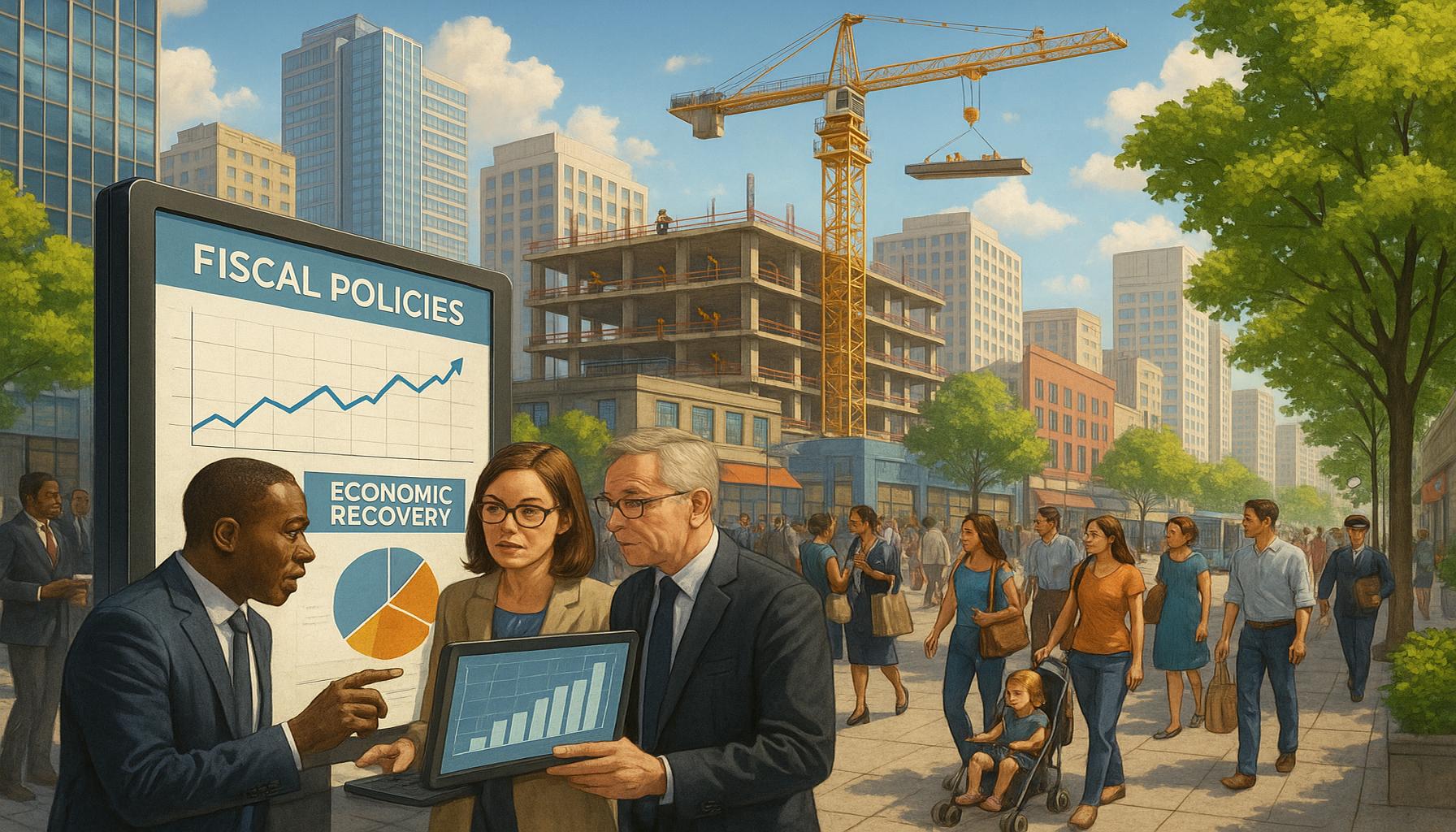
One of the most potent tools in fiscal policymaking is investment in infrastructure. Revitalizing aging infrastructure, such as roads, bridges, and public transportation, creates numerous job opportunities while enhancing efficiency across the economy. For instance, President Biden’s American Jobs Plan proposes extensive investments to rebuild the nation’s infrastructure. By allocating federal funds towards such initiatives, governments can kickstart a significant multiplier effect, where jobs are created not only in construction but also in related sectors such as manufacturing and services.
Moreover, focusing on sustainable infrastructure projects, like renewable energy facilities and green public transit solutions, addresses two critical issues: economic recovery and climate change. Investments in these areas demonstrate a commitment to building a resilient economy that not only recovers from the pandemic but also proactively tackles environmental challenges.
Support for Small Businesses
Another vital aspect of fiscal policy in post-pandemic recovery is the support for small businesses. These enterprises are the backbone of the U.S. economy, accounting for nearly half of the private sector’s workforce and two-thirds of net new jobs created. Targeted fiscal measures such as grants, low-interest loans, and tax relief can stabilize small businesses facing financial uncertainties. For example, the Paycheck Protection Program (PPP) provided critical support during the pandemic by offering forgivable loans to keep employees on payroll and help businesses survive.
In the current recovery phase, continued targeted support can assist small businesses in scaling up and adapting to the new economic landscape. Programs that provide mentorship, training, and access to technology can equip these companies to thrive in a rapidly evolving marketplace. Such government support not only preserves jobs but fuels innovation and diversification within the economy.
Enhancing Social Support Systems
Robust fiscal policies must also prioritize the enhancement of social support systems to ensure economic stability for vulnerable populations. Programs providing unemployment benefits and food assistance can mitigate the immediate impacts of economic disruptions. For instance, during the pandemic, expanded unemployment benefits were instrumental in providing families with necessary financial resources, preventing a deeper recession.
Incorporating long-term social reforms, such as increasing the minimum wage or expanding healthcare access, plays a crucial role in strengthening the consumer base. When individuals have better access to basic needs, their spending power increases, fostering demand for goods and services, which is essential for recovery.
Leveraging Federal and State Partnerships
The successful implementation of fiscal policies in post-pandemic recovery also relies on effective partnerships between federal and state governments. Collaborating on financial strategies ensures that resources are allocated where they are most needed and can yield the highest impact. For instance, if states are empowered with funding for educational initiatives, they can tailor programs that address local workforce needs. This kind of partnership enhances efficiency and effectiveness, creating a unified front in combating economic downturns and fostering growth.
As fiscal policies shape the recovery landscape, a comprehensive approach focused on investment, support for small businesses, and strong social safety nets culminates in a multi-faceted strategy that can lead to an equitable and sustainable post-pandemic economy.
Conclusion
In the wake of the pandemic, fiscal policies have emerged as indispensable tools in shaping the road to economic recovery. Through strategic investments in infrastructure, support for small businesses, enhancement of social safety nets, and fostering effective partnerships between federal and state governments, nations can build a robust framework that not only addresses immediate economic challenges but also promotes long-term growth.
The importance of investing in sustainable infrastructure cannot be overstated. It not only creates jobs and drives economic activity but also ensures that we are prepared for future challenges, such as climate change. Similarly, supporting small businesses through financial assistance and resources is crucial, as these enterprises significantly contribute to job creation and innovation within the economy.
A strong social safety net also plays a pivotal role in stabilizing households during uncertain times, enabling individuals to participate actively in the economy. As workers gain access to essential services, disposable incomes rise, leading to increased consumer spending—a vital driver for recovery.
Ultimately, a comprehensive approach that integrates various facets of fiscal policy can cultivate an economic environment that is equitable, resilient, and sustainable. As we forge ahead, it is essential to continually adjust and refine these policies to meet the evolving needs of our society. By doing so, we can create a post-pandemic economy that not only recovers but thrives, ensuring prosperity for all. Thus, the role of fiscal policies will remain crucial in guiding us toward a brighter economic future.

Linda Carter is a writer and financial expert specializing in personal finance and financial planning. With extensive experience helping individuals achieve financial stability and make informed decisions, Linda shares her knowledge on the Father Company platform. Her goal is to empower readers with practical advice and strategies for financial success.