Automotive Fashion Trends: The Intersection of Car Design and Personal Style
Understanding Automotive Fashion
The bond between automobiles and personal style underscores a significant cultural shift that reverberates throughout many aspects of contemporary life. In a society where individual expression is increasingly celebrated, cars have emerged not just as vehicles for transport, but as extensions of one’s identity. This evolving role of vehicles showcases a fascinating intersection between engineering and aesthetics, with implications for how consumers interact with brands.
Color and Finish
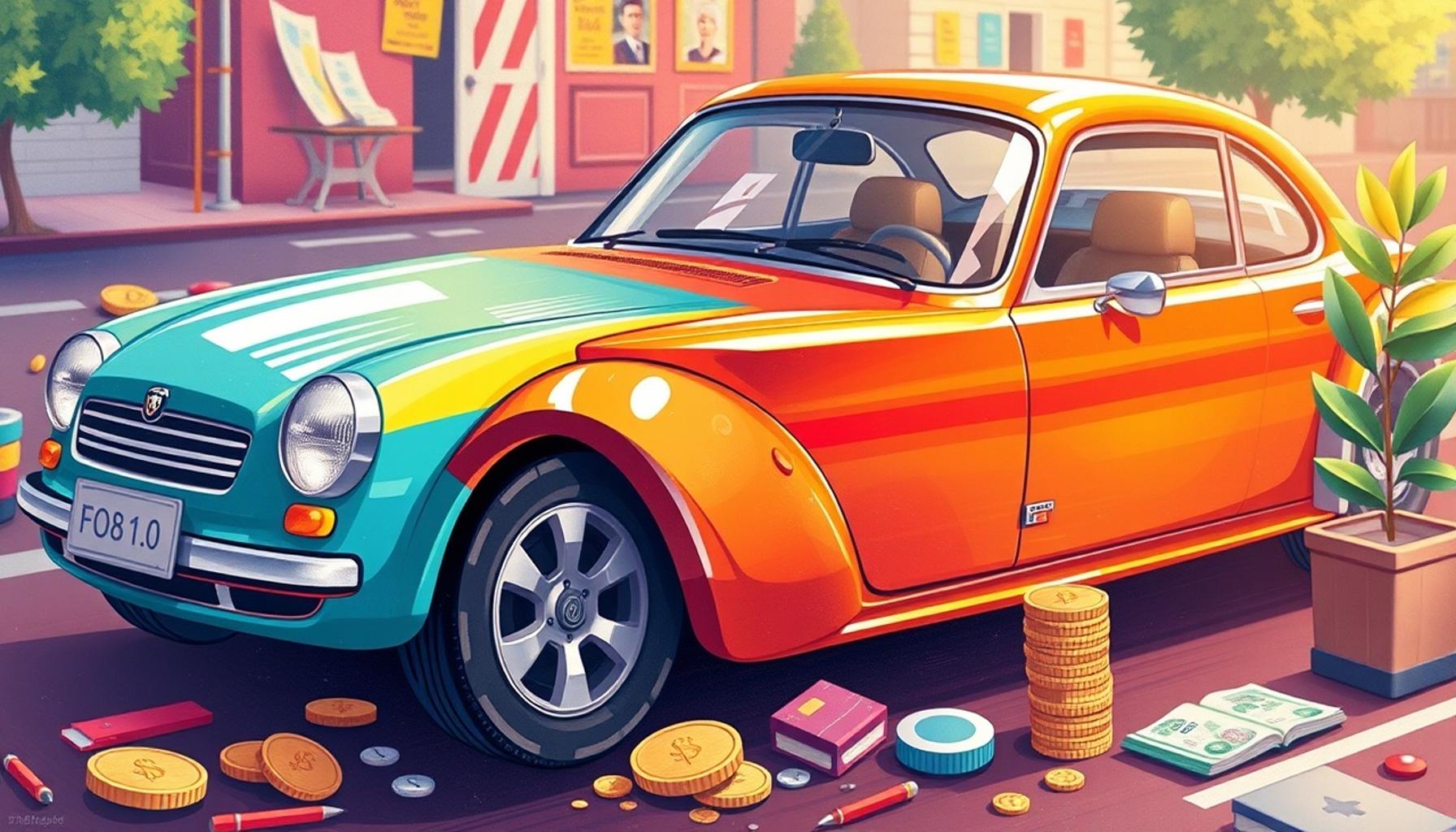
Consider the myriad options available when it comes to vehicle color and finish. Custom paint jobs, such as vibrant hues or matte finishes, have gained popularity as drivers seek to stand out from the crowd. For instance, a bright yellow sports car might convey a sense of fun and adventure, while a sleek black luxury sedan communicates sophistication and elegance. High-gloss finishes often enhance the car’s aesthetic appeal, reflecting light in ways that can transform its appearance. This desire for personalization is evident in the booming market for aftermarket modifications, where enthusiasts invest in unique paint, decals, and wraps to showcase their individuality.
Interior Design
Beyond the exterior, interior design plays a crucial role in how drivers relate to their vehicles. Today’s consumers desire interiors that reflect their personal tastes and comfort preferences. Manufacturers increasingly incorporate luxurious materials—think leather seats with intricate stitching or eco-friendly fabrics crafted from recycled materials. Moreover, innovative layout designs, such as ambient lighting and customizable dashboard displays, turn the car into a personal sanctuary. For example, the Tesla Model S boasts a minimalist interior that features a large touchscreen control panel, allowing drivers to tailor their driving experience and style seamlessly.
Brand Collaborations
Collaborations between car manufacturers and renowned fashion designers also illustrate how automotive design is intertwined with fashion. Limited-edition models, like the Fiat 500 by Gucci or the Lexus NX styled by a prominent designer, not only boast unique aesthetic features but also elevate the car to a fashion statement. These collaborations attract consumers not only for the vehicle’s performance but also for its prestige and style, making a statement about the driver’s lifestyle.
The Bigger Picture
The significance of car aesthetics extends beyond personal preference; it mirrors broader cultural shifts towards individualism and self-expression. For instance, the growing trend towards electric and hybrid vehicles aligns with an eco-conscious lifestyle, appealing to consumers who prioritize sustainability in their decisions. The choice between a sleek electric car and a traditional gas guzzler can reflect one’s values, lifestyle, and commitment to environmental stewardship.
In this exploration of automotive fashion, we will delve into popular models, emerging styles, and the unique ways in which car design continues to shape our identities. From the lifestyles we lead to the brands we support, the intersection of cars and personal style offers rich insights into the driving forces behind consumer behavior. As we continue through this dynamic landscape, it is clear that the future of automotive fashion is not just about transportation; it’s about transformation.
DISCOVER MORE: Click here to learn how to apply
The Aesthetic Appeal of Vehicles
The aesthetic appeal of vehicles significantly influences consumer choices and preferences in the automotive market. Car design has evolved beyond pure functionality to include a wide array of visual elements that cater to varying tastes and lifestyles. Today, consumers are not just looking for a reliable mode of transport; they want a vehicle that resonates with their personal style and makes a statement about who they are.
Shape and Silhouette
The shape and silhouette of a car are vital components of its overall style. Manufacturers carefully engineer curves and lines to evoke specific feelings and associations. For example, sports cars featuring sharp angles and aggressive stances often appeal to thrill-seekers who crave performance and excitement. In contrast, the rounded shapes typically seen in family vehicles can evoke a sense of safety and comfort, appealing to consumers looking for reliability and space for their loved ones. A prime example of this is the Ford Mustang, celebrated for its iconic design that effortlessly speaks to its sports car identity, making it a beloved choice among enthusiasts.
Technology and Innovation
The integration of technology in car design not only enhances functionality but also contributes to the car’s aesthetic value. Features such as sleek touchscreens, innovative control interfaces, and advanced lighting systems are becoming popular design elements. Smart technology in vehicles allows for personalized experiences, like the ability to adjust seating, lighting, and even sound systems according to individual preferences. Consider the innovative use of LED lights in modern cars, which not only improves visibility but also lets drivers express their style through customizable color options.
Exterior Styling Trends
As the automotive landscape continues to evolve, several key trends have emerged in vehicle styling:
- Minimalism: Clean lines and uncluttered designs are gaining traction, with manufacturers focusing on simplicity that exudes elegance.
- Retro Styling: Vintage-inspired designs are making a comeback, blending nostalgia with modern technology, appealing to buyers who appreciate historical references.
- Bold Accents: Bright accents, two-tone color schemes, and unique grille designs are increasingly popular as a way for owners to personalize their vehicles.
These trends reflect a broader desire among consumers to showcase their personalities through their choices in vehicular aesthetics. The automotive industry is responding by not only creating more visually appealing vehicles but also by ensuring that these designs are complemented by performance and functionality.
The Role of Social Media
Social media platforms have become critical in shaping automotive fashion trends. Enthusiasts and influencers often showcase their vehicles, highlighting modifications, paint jobs, and unique features that reflect their personal styles. Platforms such as Instagram and TikTok provide a space for users to share their depictions of automotive culture, influencing how potential buyers perceive various models. With a click of a button, viewers are exposed to a rich tapestry of automotive design that not only informs their choices but inspires them to explore new avenues of self-expression through their vehicles.
As we continue our journey through the intersection of automotive fashion and personal style, it’s important to recognize that each element—from vehicle shape to technological integration—plays a critical role in defining not just a car’s appeal but also the identity of its driver. The implications of these trends show that choosing a car is far more than a practical decision; it is an opportunity for creative expression and personal storytelling.
DIVE DEEPER: Click here to discover more
Interior Design: Where Comfort Meets Style
While the exterior of a vehicle is often what first captures attention, the importance of the interior design cannot be understated. The cockpit of a car serves as an intimate space where drivers and passengers spend a considerable amount of time. As such, automotive manufacturers are keenly aware that a well-designed interior can dramatically influence overall satisfaction and desirability.
Material Selection and Textures
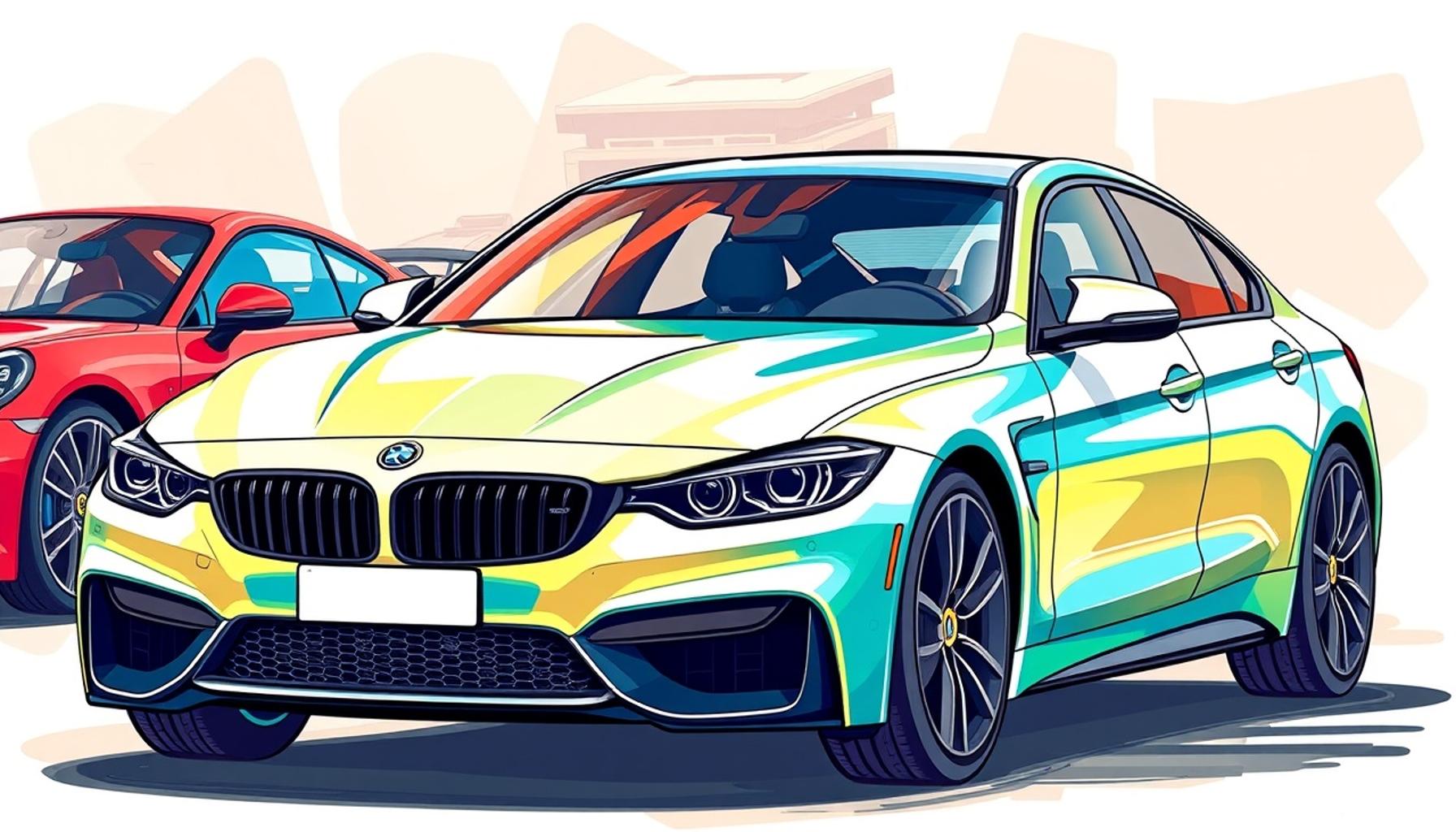
One of the most impactful aspects of interior design is the selection of materials and textures. High-quality fabrics, leather seats, and wood or metallic accents can create a sumptuous environment that elevates the driving experience. Brands like Mercedes-Benz and BMW are renowned for their meticulous attention to detail and luxurious finishes, appealing to consumers who value sophistication and comfort. Textured surfaces can ignite sensory responses, prompting buyers to associate their vehicles with feelings of prestige or coziness. For example, the use of vegan leather in some modern electric vehicles provides an eco-friendly option without sacrificing luxury.
Ergonomics and Layout
Beyond aesthetics, the layout of controls and the overall ergonomic design play crucial roles in enriching the driver’s experience. Features such as adjustable seats, easily accessible controls, and intuitive navigation reduce driver distraction and enhance comfort. Consider the layout in Tesla vehicles, where the central touchscreen not only commands the dashboard but also allows for a sleek, uncluttered look that resonates with tech-savvy individuals. This blend of function and form serves to showcase the owner’s desire for innovation.
Personalization and Customization Options
The rise of personalization underscores a greater trend in automotive fashion where consumers are no longer content with off-the-shelf designs. Manufacturers now offer a multitude of customization options. From individual color choices for interior accents to unique stitching patterns, drivers can tailor their vehicle’s interior to reflect their personality and style. Companies such as Mini and Jeep have made a name for themselves by inviting customers to participate in the design process, enhancing emotional connections and fostering brand loyalty. These options empower buyers, making the vehicle not just a method of transportation, but a manifestation of their character.
The Influence of Lifestyle Choices
As lifestyle choices continue to evolve, so does the demand for vehicles that align with consumers’ values—be it sustainability, adventure, or urban living. For example, the increasing popularity of electric vehicles is indicative of a societal shift towards environmentally-friendly practices. Brands like Rivian are not only offering cutting-edge electric trucks but are also packaging them with features that support an outdoorsy, adventurous lifestyle, proving that vehicle design can reflect and amplify the enthuasism of its user base.
Vehicle as Fashion Statement
The integration of car design into personal style reached a new height during events like car shows, where modified vehicles serve as canvases for artistic expression. The custom aftermarket modification scene showcases diverse personalities, as individuals equip their cars with unique paint jobs, custom rims, and personalized emblems. Whether someone favors a sleek racing aesthetic or a vibrant street vibe, their vehicle becomes a dynamic form of fashion that reflects their choices and influences perceptions of their identity.
By acknowledging how interior designs come together to create a holistic driving experience, the automobile industry continues to innovate and cater to modern consumer desires. This intricate relationship between personal style and vehicle design signifies that, today, a car is more than just a machine; it is a personal statement deeply intertwined with the lives and tastes of its driver.
DISCOVER MORE: Click here to learn how to apply
Conclusion
In exploring the intersection of car design and personal style, we unearth a compelling narrative that goes beyond aesthetics. The modern automobile is not merely a means of transportation; it has evolved into a powerful expression of individuality and lifestyle. As demands for personalization grow, manufacturers are embracing customization options that allow consumers to reflect their unique tastes through their vehicles. This trend emphasizes that a car can be a canvas for style, incorporating everything from interior finishes to exterior modifications.
Moreover, the focus on ergonomics and material quality shows a growing acknowledgment that comfort and utility are paramount in enhancing the driving experience. Manufacturers like Tesla and Rivian have tapped into the desire for innovation and sustainability, addressing the evolving preferences of today’s drivers. As consumers increasingly align their automotive choices with their personal values—ranging from luxury to sustainability—the demand for thoughtful design continues to shape industry trends.
As we look to the future, it is clear that the relationship between automotive design and personal fashion will only strengthen, attracting new generations eager to express themselves through their vehicles. Ultimately, this synergy reminds us that in a world driven by choices, our vehicles can serve as extensions of who we are, showcasing our aspirations, lifestyles, and environmental consciousness in the ever-evolving landscape of automotive fashion.