How Car Personalization is Shaping the New Era of Automotive Marketing
Understanding the Shift Toward Car Personalization
The transformation within the automotive industry is profound, especially as car personalization emerges as a crucial aspect of consumer experiences. Far beyond mere aesthetic modifications, car personalization reflects a deeper connection between manufacturers and consumers, fundamentally reshaping marketing strategies across the sector. This evolution signifies a shift from a one-size-fits-all approach to a more tailored experience that aligns with individual preferences.
Today’s car buyers are not just looking for a vehicle; they are seeking something that resonates with their unique lifestyles and needs. Understanding this shift involves recognizing several key aspects that drive the personalization trend.
Customization Options
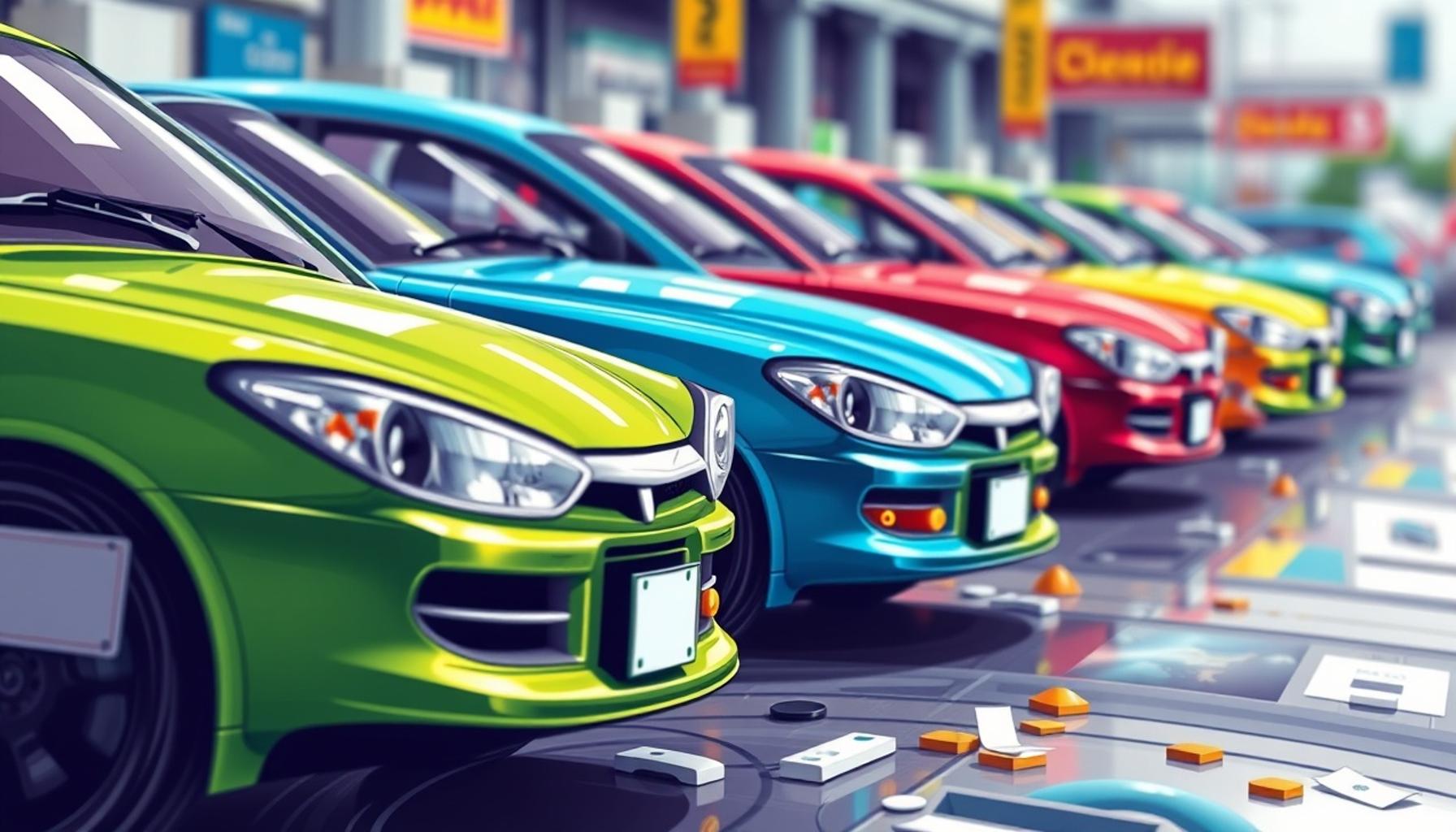
Customization options are at the forefront of this movement. Modern consumers want their vehicles to reflect their personal tastes—from the colors and finishes on the exterior to the type of upholstery and dash materials inside. For instance, an SUV buyer might choose a rugged matte finish in a color like army green, paired with a tech-savvy interior that includes eco-friendly leather-like materials. Such choices allow buyers to feel a sense of ownership and pride in their vehicle, making it distinctly theirs.
Digital Tools
The rise of digital tools has greatly facilitated this personalization. Advanced configurators available on manufacturer websites and mobile apps enable customers to design their dream cars in real-time. They can select every aspect of their vehicle from a plethora of choices, preview how each modification looks, and even calculate potential costs. For example, companies like Tesla offer online car-building experiences where customers can visually assemble their cars and adjust various specs, ensuring the final product closely matches their vision.
Sustainability Focus
A growing sustainability focus among consumers further influences their customization decisions. Many buyers are drawn to eco-conscious features, such as electric powertrains or interiors made from recycled materials. This shift is not merely a trend; studies show that younger generations, particularly Millennials and Gen Z, prioritize environmental impact in their purchase decisions. Consequently, manufacturers are responding by offering custom options that highlight sustainability, thereby appealing to eco-aware consumers.
As automotive brands adapt to these evolving expectations, they are discovering valuable insights regarding consumer engagement. By adopting innovative marketing strategies, they are succeeding in personalizing their campaigns to resonate more deeply with potential buyers. Such strategies not only enhance customer satisfaction but also contribute to building long-lasting brand loyalty.
In the sections that follow, we will delve deeper into how car personalization drives change in automotive marketing. We will illustrate the tangible benefits for both consumers and manufacturers. Together, let’s explore the future landscape of this exciting industry, where the buyer’s voice clearly shapes the automotive experience.
DISCOVER MORE: Click here to learn how to apply
Transformative Impact on Customer Engagement
The rise of car personalization is not just changing what consumers purchase; it is also transforming how automotive companies engage with their customers. As manufacturers recognize that personalization goes beyond simply offering different models or color options, they are rethinking their marketing strategies to deliver a more immersive and interactive experience. This approach fosters a deeper emotional connection between potential buyers and brands.
Enhanced Brand Interaction
Today’s car buyers expect a seamless and interactive relationship with brands. Enhanced brand interaction is facilitated through storytelling and digital engagement that articulate the value of personalized experiences. Instead of merely advertising a new model’s specifications, brands can share stories showing how customized features enhance ownership experiences. For instance, a marketing campaign could highlight a family using their customized minivan for road trips, showcasing special features such as a built-in entertainment system or personalized storage solutions.
Community and User-Generated Content
Another notable element in this personalization shift is the emergence of community-driven platforms and user-generated content. Social media provides an avenue for customers to showcase their personalized vehicles, sharing photos and stories that resonate with others. Manufacturers can leverage this content in their marketing efforts, creating a sense of community and encouraging potential buyers to envision themselves as part of a larger narrative. Not only does this build brand loyalty, but it also serves as authentic testimonials that traditional advertisements cannot replicate.
The Importance of Data Analytics
As customization becomes a staple expectation among consumers, data analytics plays a critical role in understanding and meeting those demands. Data analytics allows brands to track consumer behavior and preferences, providing insights into which features are most appealing. For example, if data reveals that a significant percentage of buyers opt for certain technology packages or eco-friendly materials, manufacturers can tailor their offerings accordingly. This proactive approach ensures they remain competitive while also addressing the specific desires of their target market.
Benefits of Personalization for automotive brands
A personalized approach in marketing not only benefits consumers but also offers numerous advantages for automotive brands. Some of these include:
- Increased Customer Satisfaction: Customers who tailor their vehicles are more likely to be satisfied with their purchases, leading to positive word-of-mouth.
- Improved Brand Loyalty: Engaging customers through personalized experiences fosters a deep connection, encouraging repeat business.
- Higher Sales Conversions: Tailored offerings can lead to quicker purchasing decisions, as customers feel more aligned with the brand’s offerings.
- Enhanced Market Positioning: Brands that prioritize personalization can stand out in a competitive marketplace, attracting more diverse consumer segments.
As automotive brands continue to embrace car personalization, they are not only refining their marketing strategies but also setting the stage for a more customer-centric industry. By evolving along with consumer expectations, manufacturers are reshaping the automotive landscape, where personalization serves as a cornerstone of effective marketing.
DON’T MISS OUT: Click here to learn how to apply for an Oportun loan
Driving Innovations in Technology and Customer Experience
As car personalization gains traction, it is paving the way for innovations in both technology and customer experience within the automotive industry. Today’s consumers not only seek personalized vehicles but also desire cutting-edge technology that complements their lifestyle. This demand fuels an environment where brands must continuously innovate and adapt to stay relevant.
Integration of Advanced Technologies
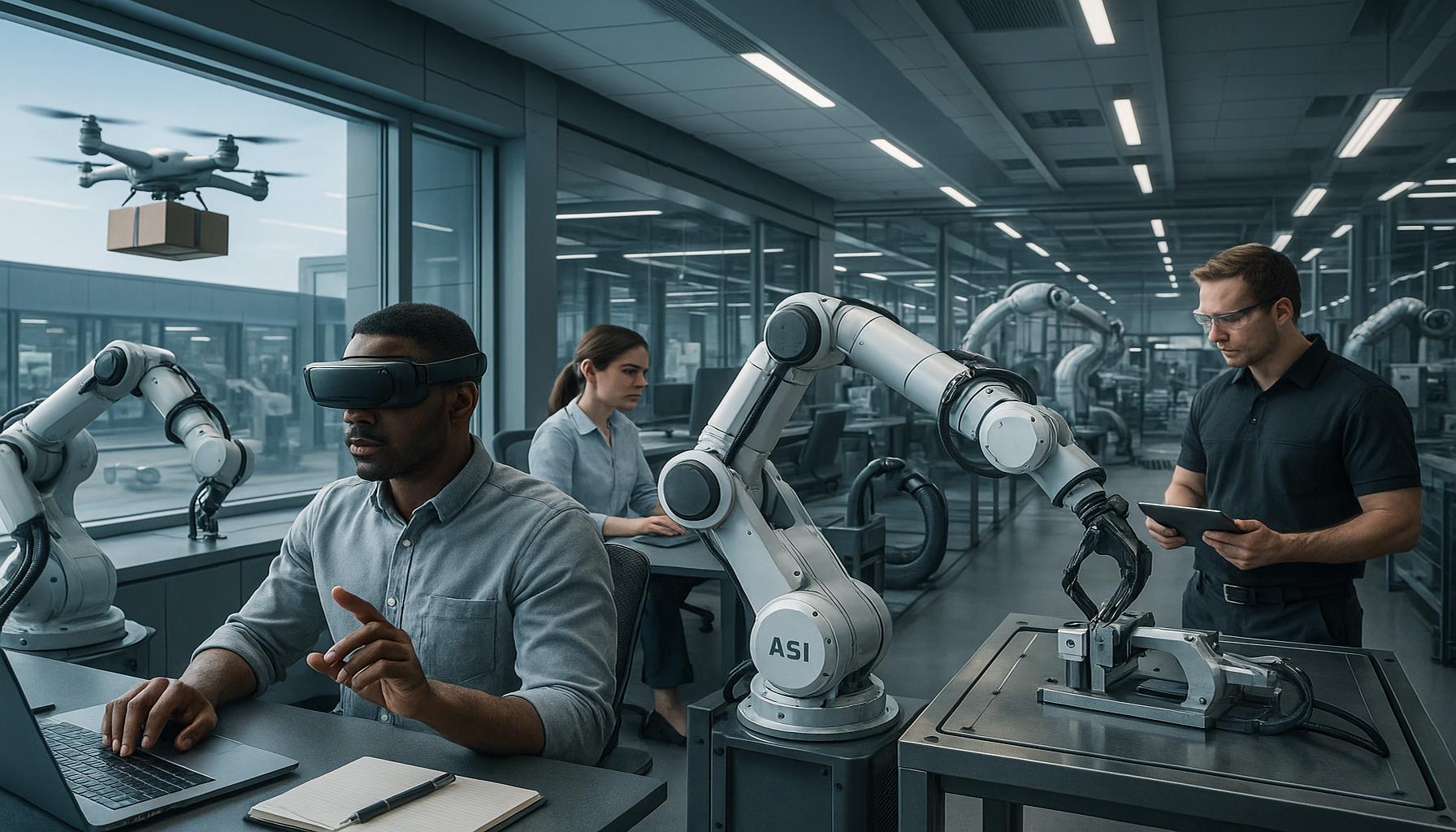
The integration of advanced technologies such as augmented reality (AR) and artificial intelligence (AI) is revolutionizing the car-buying experience. For instance, AR tools allow customers to visualize their customizations on a vehicle before making a purchase. Users can engage with apps that superimpose their desired features—like paint colors, wheel designs, or interior materials—over live images of the car, making the decision process more interactive and engaging.
Furthermore, AI-driven experiences are enabling brands to provide tailored recommendations based on individual preferences. By analyzing customer inputs and preferences, AI can suggest options that best suit each buyer’s lifestyle. Imagine an automotive company utilizing AI to recommend a vehicle with tech features that fit a customer’s daily routine, such as advanced safety systems for parents or efficient fuel options for commuters. This level of personalization makes the buying process smoother and more appealing.
Rethinking After-Sales Services
The impact of car personalization extends well beyond the initial purchase. Brands are now rethinking after-sales services to ensure a tailored ownership experience. This includes options for personalized maintenance plans and upgrades that cater specifically to the individual’s vehicle loadout or usage patterns. For example, a customer who frequently drives long distances may receive suggestions for long-range battery upgrades or enhanced tire warranties. By offering these personalized services, automotive brands can enhance customer satisfaction and long-term loyalty.
Sustainability and Personalization Synergy
As the automotive industry shifts towards sustainability, personalization is also influencing eco-friendly practices. Many consumers today are concerned about their environmental footprint. Brands are responding by offering personalized options that include eco-friendly materials or energy-efficient technology. For example, electric vehicles (EVs) can come with customizable options such as energy-efficient tires or solar panel roofs that can be personalized according to the buyer’s eco-conscious preferences. This blend of sustainability and personalization allows customers to express their values through their vehicle choice, further strengthening their emotional connection with the brand.
Targeted Marketing Campaigns
Car personalization has inspired targeted marketing campaigns that highlight specific features of vehicles that resonate with individual buyers. By utilizing data gathered from consumer preferences, automotive brands can create highly tailored advertisements focusing on particular segments of their audience. For instance, a campaign might target young professionals with features highlighting connectivity and tech-savvy options, while concurrently marketing rugged models with advanced off-road capabilities to outdoor enthusiasts. This kind of targeted advertising increases the effectiveness of campaigns, as potential buyers see features that are not only attractive but relevant to their own lifestyles.
In this new era of automotive marketing, personalization is not merely a trend but a fundamental shift that is enhancing the relationship between manufacturers and consumers. By leveraging technology and innovative strategies, brands are not only meeting customer demands but are also setting new standards for the automotive industry as a whole.
DISCOVER MORE: Click here for application tips
Conclusion
In summary, car personalization is transforming the automotive marketing landscape in profound ways. It allows manufacturers to create a more engaging and personalized experience for consumers, enhancing their emotional bond with both the vehicle and the brand. By integrating advanced technologies like augmented reality and artificial intelligence, automakers are not just selling cars; they are offering tailored experiences that resonate with individual lifestyles. From personalized vehicle configurations to after-sales services that consider unique customer needs, every touchpoint is an opportunity for brands to deepen their relationship with buyers.
The synergy of personalization and sustainability also marks a significant evolution in consumer expectations. As drivers become increasingly eco-conscious, they seek vehicles that not only reflect their personal style but also align with their values. Offering eco-friendly options that can be customized further enhances brand loyalty and customer satisfaction.
As we look to the future, it is clear that car personalization will continue to shape marketing strategies, pushing brands to adopt targeted advertising and innovative customer engagement methods. By effectively harnessing data and trends, automotive companies can connect with their audiences on a more meaningful level, ensuring they remain at the forefront of this revolution. In essence, the ability to personalize is not just advantageous; it is becoming essential in fostering long-term relationships between manufacturers and consumers.

Linda Carter
Linda Carter is a journalist and writer responsible for closely monitoring the topics published and continuously contributing to the content production of this website. On a daily basis, she conducts research, organizes information, and helps transform complex subjects into clear and easy-to-understand texts, always focusing on the reader's usefulness.