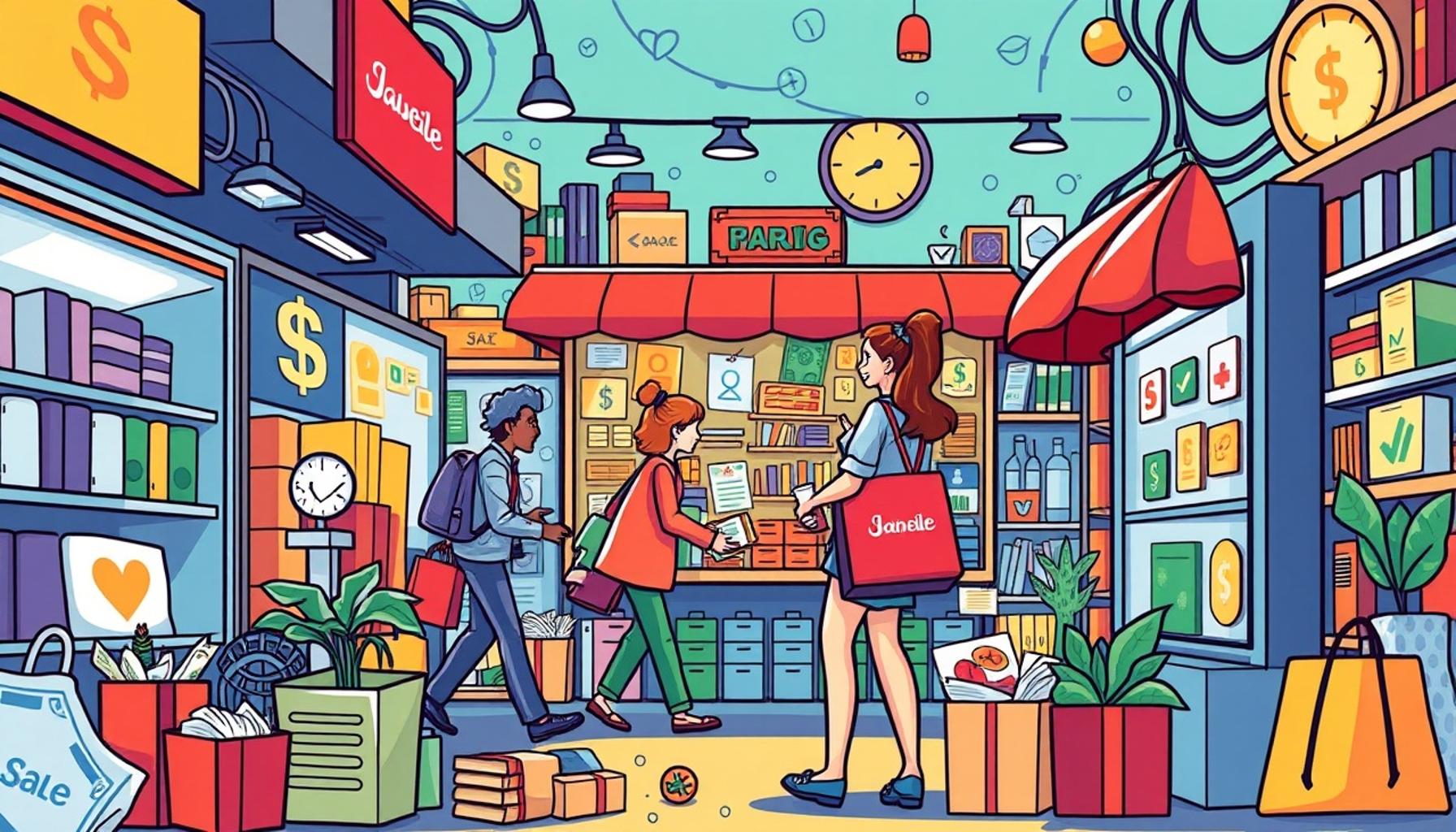
The Impact of Location-Based Marketing on Car and Clothing Sales: Attracting Customers at the Right Time

The Value of Location-Based Marketing in Retail
In an era where consumers are continuously bombarded with marketing messages, it becomes increasingly crucial for businesses to find ways to stand out. Location-based marketing offers a solution by leveraging the power of technology to deliver personalized messages to customers based on their physical location. This technique can effectively transform a casual passerby into an interested buyer by engaging them at the perfect moment.
For businesses in industries like automotive and clothing retail, the advantages of this approach are especially pronounced. Here’s a deeper look into how these benefits manifest:
- Targeted Promotions: Brands can tailor discounts or special offers accompanied by push notifications when customers enter a specific geographic zone. For instance, a shoe retailer may offer a 20% discount to individuals nearby, encouraging them to step into the store and make a purchase.
- Increased Foot Traffic: By enticing local consumers, businesses can significantly enhance their in-store traffic. For example, consider a local coffee shop that promotes a “buy one get one free” on lattes during morning rush hours, luring commuters to stop in for their daily caffeine fix.
- Real-Time Engagement: Interacting with potential customers through timely messages can create a sense of urgency. A department store may notify subscribers of a flash sale only valid for that day, heightening the appeal of visiting the store immediately.
To illustrate these concepts further, let’s consider practical scenarios. Picture a customer strolling past a luxury car dealership. If they receive a notification about an exclusive test drive event occurring that very day, it may prompt them to stop, explore the cars, and engage with a salesperson. This strategic timing is what location-based marketing aims to achieve.
Similarly, think about a shopper who is near a popular clothing store. Thanks to location-based marketing, they might receive a pop-up notification offering a “buy one, get one free” deal on summer attire. This timely offer not only encourages immediate purchases but also creates a sense of loyalty among consumers who appreciate personalized attention.
In summary, location-based marketing holds transformative potential for sales strategies in sectors like automotive and clothing. By understanding and utilizing this innovative approach, businesses can effectively capitalize on real-time opportunities to attract customers, drive sales, and foster long-term loyalty. The future of retail is rooted in personalization, and location-based strategies are leading the charge toward more meaningful consumer interactions.
DISCOVER: Click here to learn how to apply for a Wells Fargo personal loan
Harnessing Technology for Tailored Marketing
Location-based marketing (LBM) represents a significant evolution in how retailers approach their customers, enabling them to use advanced technologies to deliver targeted campaigns effectively. By utilizing GPS technology, mobile applications, and social media platforms, businesses can gain insights into consumer behaviors and preferences, allowing them to customize their offerings to meet immediate needs.
In the automotive sector, LBM strategies can lead to increased sales by directing consumers when they are most open to engaging. For instance, if a potential buyer is near a car dealership, they might receive an alert informing them of a special financing option or a limited-time offer on a specific model. This direct communication fosters an environment in which the customer feels valued, as they are being catered to in real time. Here are some key benefits of using LBM in the automotive industry:
- Enhanced Visibility: By harnessing GPS, dealerships can identify potential customers in their vicinity and create ads that highlight best-selling models or featured promotions.
- Increased Test Drives: Sending a notification about test drives available for a popular vehicle can prompt curious individuals to explore their options, ultimately leading to potential purchases.
- Personalized Experience: When consumers receive offers tailored to their preferences, such as electric or hybrid vehicles based on previous interactions, it heightens their likelihood of engaging with the brand.
For clothing retailers, the impact of location-based marketing is likewise profound. Retailers can analyze foot traffic trends and consumer behaviors to determine optimal times to send promotional messages. For example, a shopper who frequently visits a nearby mall may receive targeted offers when they are close to their favorite brand’s store. Here are some notable advantages of LBM in the fashion retail industry:
- Seasonal Promotions: A clothing store may alert customers about a spring sale just when they are ready to transition their wardrobe, ensuring maximum relevance for the shopper.
- Exclusive In-Store Offers: Providing notifications to nearby customers for exclusive products or limited-time sales can motivate shoppers to visit the store sooner rather than later.
- Building Brand Loyalty: By providing customers with personalized discounts based on their preferences, retailers can create a sense of exclusivity that enhances customer loyalty over time.
Through these tailored approaches, both car and clothing retailers can deliver a more effective marketing message, ensuring their offers resonate with the right individuals at the right times. This aspect of location-based marketing not only heightens immediate sales opportunities but also fosters lasting relationships as consumers feel more connected to brands that acknowledge their preferences. Ultimately, understanding the geographical element in consumer behavior allows businesses to build community engagement alongside increased profits.
DISCOVER MORE: Click here for details on applying
Driving Foot Traffic and Online Engagement
As location-based marketing continues to shape the retail landscape, both the automotive and clothing industries are capitalizing on it to drive foot traffic into their stores and enhance online engagement. By strategically utilizing geo-targeting capabilities, marketers are able to not only connect with customers in real time but also create engaging online experiences that complement in-store visits.
In the automotive sector, dealerships can leverage LBM to guide potential buyers through the customer journey with ease. For instance, a customer who has downloaded a car manufacturer’s mobile app could be notified of an exclusive online webinar discussing the features of an upcoming model when they are within proximity of the dealership. This not only educates the buyer but also builds anticipation for a future test drive, effectively bridging the gap between online and offline interactions. Here are additional ways that LBM fosters engagement within automotive sales:
- Lead Generation: By offering incentives such as free car washes or complimentary maintenance for customers who schedule test drives while in the area, dealerships can generate leads and encourage immediate action.
- Mapping Technology: Using apps that show consumers the nearest dealership or service center can help in increasing foot traffic, especially during peak times like weekends or holidays.
- Enhanced Customer Insights: By analyzing the data that comes from location-based interactions, dealerships can identify trends and adapt their strategies, ensuring they remain responsive to customer demands.
For clothing retailers, the integration of location-based marketing provides another layer of personalization that can significantly affect consumer purchasing behavior. Imagine a customer shopping for athletic wear who receives a push notification about a flash sale just as they approach their favorite sports apparel store at the mall. This not only encourages immediate purchases but also increases the likelihood of impulse buys. Below are additional methods through which LBM enhances clothing sales:
- Targeted Social Media Campaigns: Retailers can run ads on platforms like Instagram or Facebook targeting users who are in specific geographical regions, ensuring that online engagement translates into real-world visits to their stores.
- Inspiration Boards: By offering location-specific inspiration boards through their app or website, retailers can present outfit ideas that resonate with the seasonal or cultural context of the customer’s area, making items more relevant and appealing.
- Event Promotions: Fashion retailers often benefit from hosting exclusive in-store events or trunk shows. LBM allows them to target local customers with event notifications, ensuring that those who are most likely to attend are informed right when they are nearby.
Ultimately, the fusion of location-based marketing with customer engagement strategies is changing the ways that both car and clothing retailers interact with their consumers. It offers an unprecedented opportunity to not only respond to customer needs at the moment but also to establish brand loyalty through personalized experiences. As businesses continue to refine their LBM strategies, they will likely seize the chance to build deeper connections with customers, leading to enhanced satisfaction and long-term success.
DON’T MISS OUT: Click here to discover how to apply
Conclusion
In today’s fast-paced retail environment, location-based marketing (LBM) has emerged as a critical tool for car and clothing retailers seeking to engage customers effectively. By leveraging geo-targeting and real-time data, businesses can create timely and personalized marketing strategies that not only drive foot traffic but also enhance customer experience. Through the use of push notifications, exclusive promotions, and targeted advertising, retailers can influence purchasing decisions at crucial moments, maximizing their chances of conversion.
As highlighted, automotive dealerships can utilize LBM techniques to guide buyers throughout their journey, from educating them about new models to incentivizing test drives. Likewise, clothing retailers can spark interest and impulse buys by sending notifications of sales or events just as customers approach their stores. This proactive engagement allows brands to meet consumer needs precisely when they arise.
Ultimately, as the retail landscape continues to evolve, understanding and harnessing the potential of LBM will be essential for maintaining competitiveness. Businesses that effectively incorporate these strategies will likely build stronger relationships with their customers. In doing so, they not only drive immediate sales but also pave the way for long-term loyalty and sustained success in a crowded marketplace. As you consider the future of retail, recognize the powerful influence of timing and location in enhancing consumer interactions and shaping buying behaviors.

Linda Carter
Linda Carter is a journalist and writer responsible for closely monitoring the topics published and continuously contributing to the content production of this website. On a daily basis, she conducts research, organizes information, and helps transform complex subjects into clear and easy-to-understand texts, always focusing on the reader's usefulness.