The Effects of the Economic Crisis on Consumers’ Fashion Style Preferences
Understanding the Impact of Economic Crisis on Fashion Choices
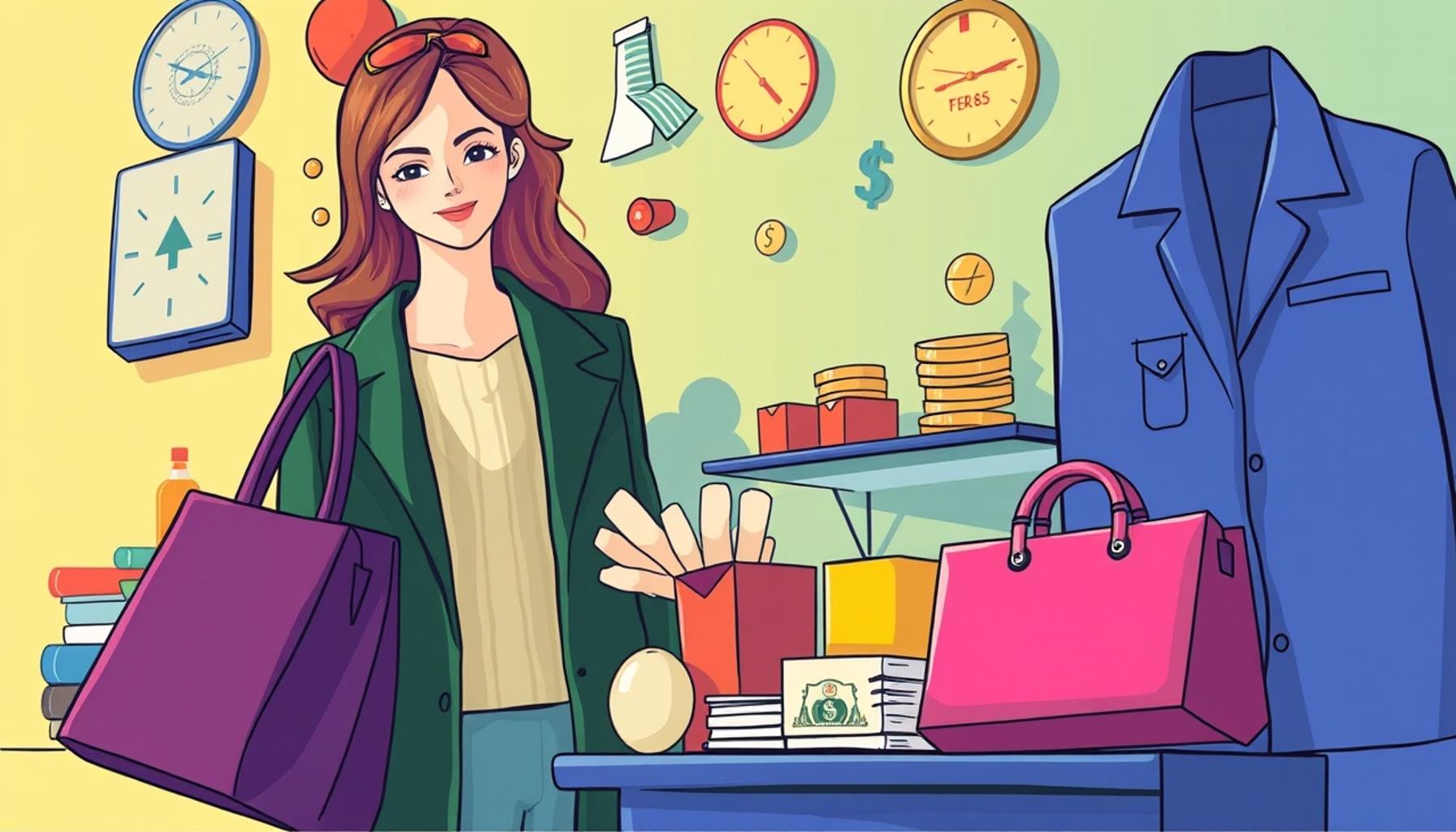
When an economic crisis occurs, the ramifications extend beyond mere numbers on a balance sheet; they touch the core of everyday life, especially in how individuals choose to express themselves through fashion. Financial constraints play a pivotal role in shaping consumer behavior, fundamentally altering fashion choices and brand loyalty. In times of financial insecurity, shoppers frequently reassess their spending habits, leading to noticeable shifts in personal style and purchasing patterns.
Several noteworthy trends historically arise during periods of economic downturns, revealing much about consumer priorities and resilience:
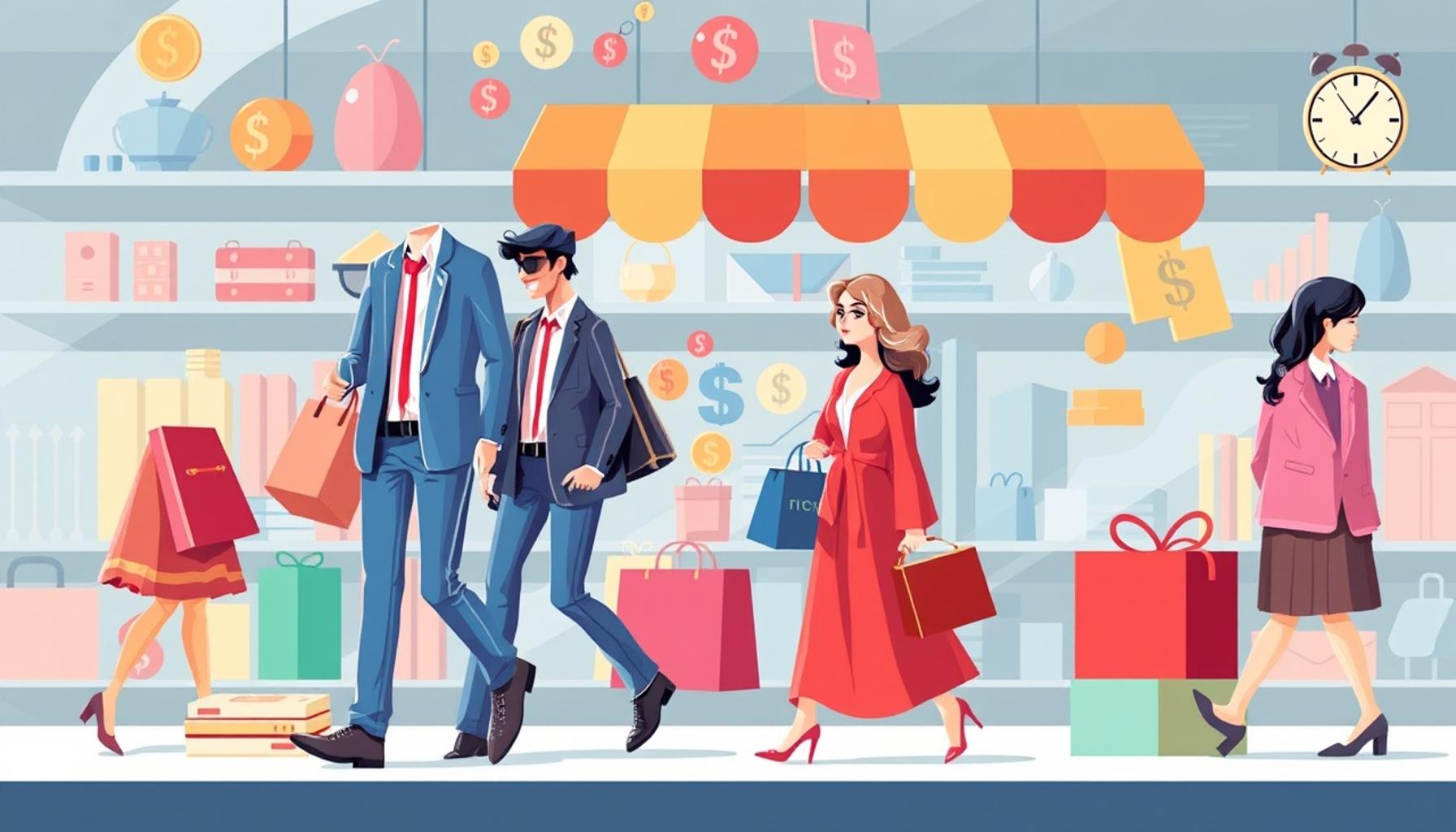
- Budget-Conscious Shopping: As money becomes tighter, consumers exercise greater caution in their purchases. This often results in an increased demand for affordable fashion options. Retailers that cater to this need, such as Old Navy or H&M, usually thrive, as they provide trendy yet budget-friendly choices.
- Minimalism: Simplicity becomes a guiding principle for many. Consumers gravitate towards simple, versatile clothing that can be mixed and matched in various outfits. For instance, a classic white T-shirt or a well-fitted pair of jeans may replace more extravagant purchases, promoting a cleaner, less cluttered wardrobe.
- Second-Hand Shopping: Thrift stores and online resale platforms like Poshmark or Depop see a surge in popularity as shoppers turn to budget-savvy alternatives. This trend not only offers financial relief but also aligns with growing awareness about sustainability in fashion.
The impact of an economic crisis can vary significantly across demographics, shaping different shopping behaviors and fashion preferences:
- Younger Consumers: This group often champions values like sustainability and individuality. They frequently prefer thrifted or vintage pieces, not only to save money but also to reduce their environmental footprint.
- Older Consumers: In contrast, older shoppers may find comfort in classic styles and well-established brands that promise durability and longevity. They often focus on investments that offer value over time, such as a quality leather handbag or a tailored blazer.
Understanding these shifts during economic turmoil allows us to grasp the underlying resilience of consumers. As priorities shift, the fashion industry must adapt, responding to the evolving landscape of consumer needs and societal norms. By examining these patterns, we can appreciate how a crisis can redefine not just markets but also the very essence of how individuals choose to present themselves to the world.
DISCOVER MORE: Click here to learn about sustainability in fashion
Shifts in Consumer Behavior During Economic Uncertainty
As financial stability wavers during an economic crisis, the ripple effects are felt acutely in the realm of fashion. Consumers, faced with constraints on their disposable income, reevaluate not only what they buy but also how they express their identities through clothing. Understanding these behavioral shifts is crucial for both consumers and retailers looking to navigate challenging economic landscapes.
One of the most significant changes during an economic downturn is the trend towards budget-conscious shopping. As individuals become more mindful of their spending, they often seek out affordable alternatives to their usual fashion choices. This shift has led to a notable increase in popularity for retailers like Target and Zara, which offer stylish yet economical clothing options. Shoppers may abandon high-end brands in favor of those that provide a greater variety of choices at more accessible price points, thereby aligning their purchases with their tightened budgets.
Another prevailing trend is the rise of minimalism in fashion. With less disposable income available, many consumers opt for pieces that offer greater versatility and longevity. This approach encourages the purchase of wardrobe staples such as high-quality blouses, classic denim, and functional outerwear that can easily transition from day to night. A simple black dress, for example, can be dressed up with accessories for an evening out or dressed down with sneakers for a casual outing. This shift reflects a broader understanding that quality and adaptability can take precedence over sheer quantity.
Additionally, the economic crisis has led many consumers to embrace second-hand shopping as a viable alternative. Thrift stores, consignment shops, and online platforms like eBay or ThredUp are experiencing a renaissance as shoppers look for budget-friendly options. This trend not only provides substantial savings but also resonates with a growing commitment to sustainability in fashion. By opting for pre-owned clothing, consumers can reduce their carbon footprint while still showcasing unique styles, fostering a culture of individual expression that defies the cookie-cutter aesthetics of fast fashion.
Demographic Variations in Fashion Preferences
The impact of an economic crisis is not uniform; it varies significantly across different demographic groups, informing their styles and shopping behaviors. For example, younger consumers, often influenced by social movements favoring sustainability, lean towards vintage and second-hand items. This demographic values the story behind a piece of clothing and its impact on the environment, which often outweighs the allure of new trends.
Conversely, older consumers may gravitate towards timeless styles and trusted brands that prioritize durability. For individuals accustomed to purchasing high-quality items, the economic crisis may prompt them to invest in fewer, more significant pieces that offer both longevity and value. For instance, a well-crafted leather jacket is viewed as a worthy investment, offering utility over mere trendiness.
By delving into these nuanced shifts in consumer preferences during economic crises, we can gain insight into the broader impact on the fashion industry. Understanding these trends helps illuminate the resilience of consumers as they adapt to challenging economic environments, fundamentally altering not only their purchasing habits but also the very fabric of their personal style and expression.
DISCOVER MORE: Click here to learn about how market fluctuations impact your financial choices
Innovation in Fashion Retail Strategies
As consumers’ fashion preferences shift during economic crises, retailers are compelled to adapt their strategies to meet new demands and preferences. One of the most prominent adjustments has been an increased focus on affordability without sacrificing style. In response to changing consumer behavior, many brands are reevaluating their pricing strategies to attract budget-conscious shoppers. For instance, retailers may introduce discount lines or special promotions tailored to customers experiencing financial strains, ensuring that style remains accessible even during tough times.
Moreover, the rise of online shopping has accelerated due to the economic crisis. With consumers spending more time at home, e-commerce platforms have become a primary avenue for fashion retail. Brands must enhance their online presence with user-friendly websites, engaging social media, and targeted advertisements. Innovative virtual try-on features and augmented reality applications allow consumers to visualize how items will look without the need to try them on physically. This technological advancement not only caters to shoppers’ convenience but also helps build brand loyalty during uncertain economic times.
Retailers have also shifted their focus towards community-oriented marketing. By fostering a sense of connection with consumers, brands can appeal to the emotional aspect of shopping. Initiatives such as collaborations with local artists or social causes resonate well with shoppers, especially younger demographics who prioritize value alignment with their purchasing decisions. This strategy not only engages consumers but also cultivates a deeper relationship, encouraging repeat purchases even in financially tight situations.
Impact of Social Media and Influencer Culture
The role of social media during an economic crisis cannot be overstated. Platforms like Instagram and TikTok have transformed how consumers discover and interact with fashion brands. Influencer culture, in particular, has flourished, allowing users to find style inspiration from relatable figures, rather than traditional celebrity endorsements. Influencers often share budget-friendly finds or showcase how to mix high and low-fashion items effectively, making style feel achievable for shoppers with limited resources.
This digital landscape enables consumers to cultivate their fashion identities through curated online wardrobes, reflecting their unique tastes without the burden of excessive spending. The ability to share and receive immediate feedback on outfits or shopping choices fosters a sense of community among consumers, influencing purchasing decisions and boosting self-esteem during difficult times.
Additionally, as consumers increasingly value sustainability, they are drawn to brands that prioritize environmentally friendly practices. The economic crisis has heightened awareness around overconsumption, leading more individuals to support fashion brands committed to ethical production. Retailers are responding by highlighting their sustainability efforts in marketing campaigns, showcasing organic materials, transparent supply chains, and responsible labor practices, aligning their brand narratives with consumers’ evolving values.
The integration of sustainability into consumer preferences has also sparked a surge in upcycled fashion. Brands that creatively repurpose existing materials not only offer unique pieces but also reinforce the idea of mindful consumption. This trend aligns perfectly with the modern consumer’s desire for individuality and environmental consciousness, helping brands stand out in a saturated market while remaining financially viable.
The interplay of consumer behavior, technological advancements, and social media is leading to a significant metamorphosis in the fashion landscape. As retail strategies evolve to address the impacts of economic crises, both consumers and brands are finding innovative means to navigate financial challenges while preserving personal expression and style.
DIVE DEEPER: Click here to learn how to maximize your rewards
Conclusion
In summary, the economic crisis has significantly reshaped consumers’ fashion style preferences and the overall shopping experience. With the need for affordability at the forefront of many shoppers’ minds, retailers have adapted by providing budget-friendly options that still maintain a sense of style. The rise of online shopping has made it easier for consumers to explore diverse fashion choices from the comfort of their homes, while innovative technologies have enhanced the shopping experience, creating a seamless blend of convenience and personal expression.
The impact of social media and influencer culture cannot be ignored, as they have transformed traditional advertising methods, allowing everyday individuals to influence fashion trends and provide accessible style inspiration. This democratization of fashion allows consumers to engage and express their identities more authentically, even on a budget. Furthermore, the growing emphasis on sustainability has compelled brands to adopt more environmentally conscious practices, appealing to consumers who desire a connection to the values behind their purchases.
As we move forward, the fashion industry must continue to innovate and adapt to fluctuating consumer preferences driven by economic conditions. The changes we witness today might be challenging, but they are also an opportunity to rethink consumption, prioritize personal values, and foster a more inclusive and sustainable fashion future. By maintaining flexibility and understanding consumer needs, both retailers and shoppers can triumph amidst adversity, making style not just a statement but a reflection of resilience.

Linda Carter
Linda Carter is a journalist and writer responsible for closely monitoring the topics published and continuously contributing to the content production of this website. On a daily basis, she conducts research, organizes information, and helps transform complex subjects into clear and easy-to-understand texts, always focusing on the reader's usefulness.