
The Connection Between Fashion and Mobility: How Car Styles Influence Clothing Trends
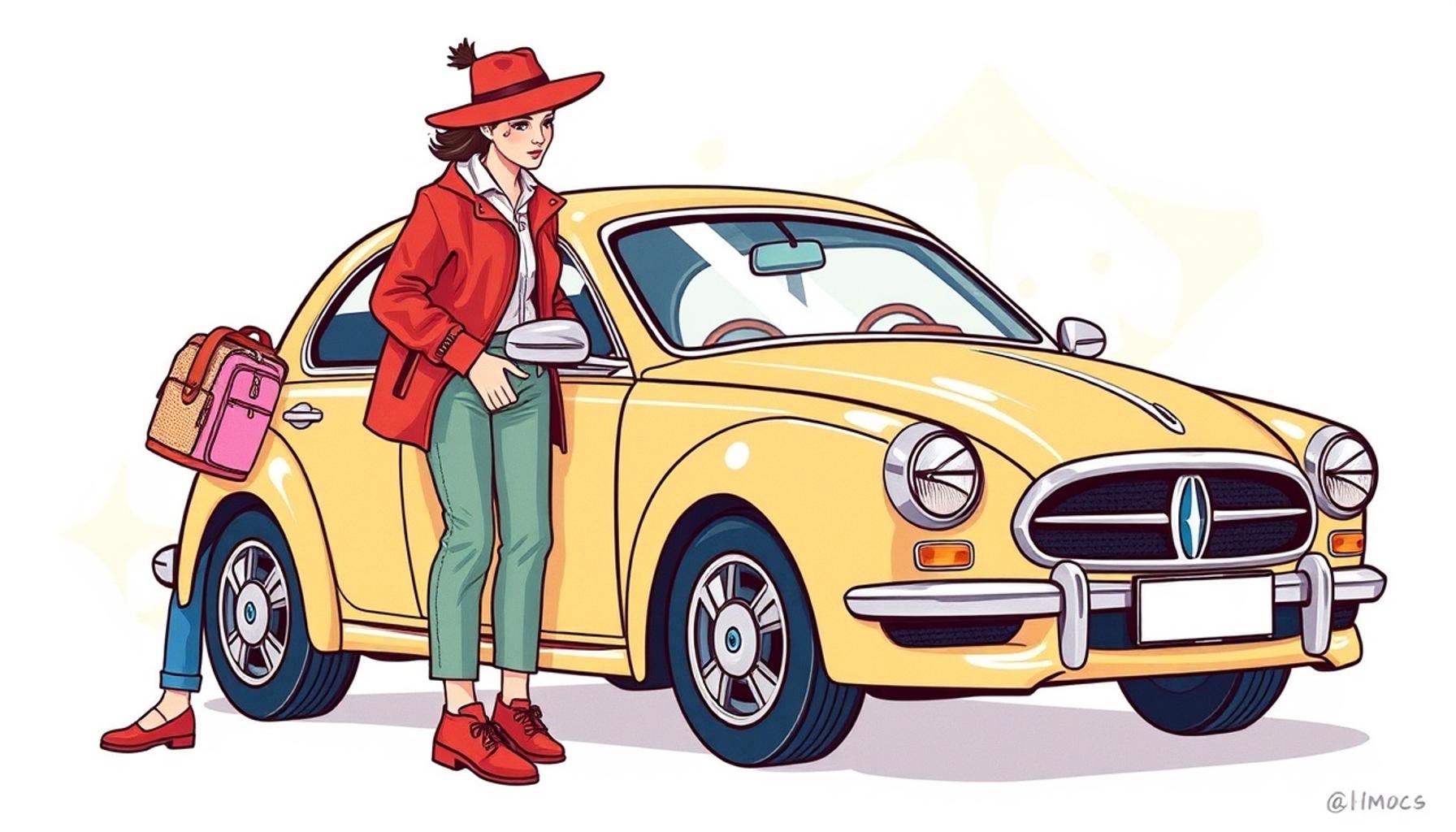
How Mobility Influences Fashion Trends
The fashion industry is a continually evolving landscape influenced by myriad factors, including cultural, social, and technological shifts. One particularly interesting element that plays a significant role in shaping fashion is mobility. The design of vehicles and their aesthetic influence directly affects clothing trends, illustrating how the worlds of transportation and personal style often intersect.
Considering this interplay, we can see how specific car styles have left a lasting impact on fashionable choices over the decades. Let’s discuss some of the key segments that highlight this relationship:
- Luxury Vehicles: Brands such as Mercedes-Benz and Tesla represent not only innovation in automotive technology but also elegance in design. The sleek lines and opulent features of these vehicles often inspire clothing lines that embody similar sophistication. Designers might incorporate tailored cuts and premium materials that echo the luxury of high-end cars, resulting in collections that feature understated yet elegant silhouettes. For example, the rise of minimalist luxury brands has mirrored the trend towards electric vehicles, where clean lines and sustainable materials are emphasized.
- Sporty Designs: Cars like the Ford Mustang and Lamborghini are renowned for their high performance and striking visuals. This excitement translates into the fashion industry, particularly in activewear and street fashion. Bright colors, dynamic patterns, and sporty cuts are frequently inspired by the energetic aesthetics of these vehicles. For instance, athleisure brands often utilize color palettes that reflect the bold, vivid hues of high-octane sports cars, attracting customers who crave both performance and style in their daily wardrobe.
- Urban Mobility: As urban areas evolve to accommodate compact vehicles, including electric scooters and bikes, fashion trends have gradually adapted, promoting styles that emphasize practicality. Minimalist designs featuring breathable fabrics and versatile pieces have gained popularity among city dwellers who value comfort while navigating busy streets. For instance, many fashion brands are now offering clothing with multifunctional capabilities, like jackets with foldable hoods, which resonate with the needs of those commuting in urban environments.
This connection between fashion and mobility is not a mere coincidence; it reflects larger societal narratives and consumer preferences. As we evaluate how our choices in vehicles can influence our fashion selections, we gain insights into broader cultural trends that shape personal identity. Understanding this relationship can also encourage us to think critically about the implications of our purchasing decisions, ultimately promoting a dialogue about the interplay of aesthetics and functionality in our everyday lives.
In delving deeper into this intriguing topic, we can explore the impact of design, branding, and lifestyle changes on fashion, revealing how even our choice of vehicle can act as a canvas upon which we paint our personal styles and societal statements.
DISCOVER MORE: Click here for the full guide
Vehicle Design and Its Fashion Footprint
The design of a vehicle doesn’t solely determine its performance on the road; it also carves a niche in the fashion realm that mirrors consumer aspirations and lifestyle choices. The aesthetic appeal of cars has a profound effect on clothing trends, as both industries strive to resonate with a similar target audience that appreciates style, efficiency, and sophistication. Analyzing the evolution of car designs and the subsequent shifts in fashion reveals a clear correlation between these two realms.
One notable example lies in the world of classic cars. Vintage models such as the Chevrolet Corvette or Ford Thunderbird evoke a sense of nostalgia and Americana that transcends mere function. The timeless elegance of these vehicles has manifested in fashion trends that highlight retro styles and vintage-inspired designs. For instance, the resurgence of high-waisted jeans and leather bomber jackets can be traced back to the glamour associated with cruising in classic cars during the mid-20th century. This revival illustrates how automotive designs can influence clothing preferences, making vintage styles a contemporary favorite.
Furthermore, the rise of electric and hybrid vehicles reflects a growing commitment to sustainability, which has importantly transitioned into the fashion world. Brands like Patagonia and Reformation advocate for eco-friendly materials and ethical production methods, aligning with the values of consumers who are conscious of their environmental impact. This shift towards sustainability has led to a greater demand for clothing made from organic or recycled materials, mirroring similar trends in automotive manufacturing. We now see designers introducing clothing lines that not only prioritize style but also emphasize sustainability, thus reinforcing the connection between automobile innovation and fashion.
The impact of automotive technology and design has also been instrumental in advancing tech-inspired fashion. As cars begin to integrate smart technology and new interfaces, such as driver-assistance systems and infotainment features, fashion designers are drawing inspiration from this technological landscape. Consider the popularity of clothing that incorporates smart textiles, such as jackets with built-in heating elements or accessories that charge your devices. These innovations not only serve functionality but are also a fashion statement that reflects the high-tech automotive trend. This fusion of technology and fashion not only caters to the needs of modern consumers but also ties into the broader narrative of progress synonymous with automotive advancements.
Moreover, we cannot overlook the profound influence of crossover vehicles and SUVs, which have gained significant traction in recent years. The practicality and versatility of these vehicles resonate with a style that embraces adaptability and adventure. Consequently, fashion brands have responded with collections that prioritize functionality while maintaining aesthetics. For example, outdoor wear that combines stylish design with practical features like weather resistance and storage options has surged in popularity, reflecting the lifestyle that these cars promote. The adaptability of both SUVs and clothing lines speaks to a culture that values both style and utility, reinforcing this bond between mobility and fashion.
Through these various lenses, we see that vehicle design is a pivotal force shaping fashion trends. With every shift in the automotive industry, there follows a ripple effect in how we dress and express ourselves. By delving deeper into these connections, we can better understand the evolving narrative of style that spans both the automobile and fashion spheres.
DON’T MISS OUT: Click here to learn how to apply
The Intersection of Automotive Culture and Street Style
The dynamics of the automotive landscape extend beyond mere vehicle design; they also intertwine with cultural movements that significantly shape street style and everyday fashion choices. Car shows, motor sports events, and cruising culture create vibrant settings where automotive enthusiasm meets personal expression through clothing. The cross-pollination of these two worlds often leads to distinctive fashion trends that reflect not only vehicle aesthetics but also the attitudes and lifestyles of their enthusiasts.
A prime example can be seen in the influence of muscle cars on streetwear. These powerful, performance-driven vehicles often evoke a rugged aesthetic that translates seamlessly into fashion. The popularity of graphic tees emblazoned with car brands or racing logos, paired with distressed denim and leather jackets, showcases this connection. Events like the American Muscle Car Show create a backdrop where individuals express their passion for cars while donning styles inspired by the vehicles they admire. This mutual influence emphasizes that fashion is not just about clothing but is also an extension of one’s identity and interests.
Moreover, the hip-hop culture of the 1980s and 1990s provides a rich context for exploring the relationship between car styles and clothing trends. Artists often adorned themselves in flashy clothing that reflected the luxury and status associated with high-end vehicles. Think of the iconic influence of brands like Mercedes-Benz and BMW in music videos, where the cars became symbols of success, luxury, and individualism. This trend has led to fashion staples, such as oversized jackets, gold chains, and branded caps, becoming synonymous with not only street style but also automotive culture. The connection highlights how the appeal of flashy cars can inspire clothing that embodies both aspiration and a distinct lifestyle.
Additionally, the input of motorsports—from NASCAR to Formula 1—has profoundly influenced fashion trends by promoting a spirit of competition and outdoor adventure. The integration of practical yet stylish apparel, like racing-inspired jackets or sporty footwear, reflects the adrenaline-infused culture of motorsports. Fashion brands frequently collaborate with automotive companies to create exclusive limited-edition collections, merging the world of high-speed competition with style. These partnerships generate unique pieces that attract enthusiasts from both domains, illustrating the appeal of cars as not just machines but cultural icons that foster creativity in fashion.
The innovations in automotive safety and performance are also mirrored in fashion choices, particularly in the realm of activewear. As families opt for minivans or crossovers designed for safety and functionality, clothing brands have responded by designing athleisure wear that prioritizes comfort and performance. Brands like Lululemon and Nike have effectively tapped into this market, creating versatile clothing suitable for a range of activities while maintaining a fashionable edge. The result is a fusion of style and functionality that complements the lifestyle of modern consumers whose vehicles can adapt to various family needs.
Ultimately, the intersection of automotive culture and street style reveals an intricate tapestry of influences that shape our perceptions and choices in fashion. As we explore this connection further, it becomes apparent that the impact of car styles on clothing trends is not merely superficial, but rather a reflection of deeper social and cultural narratives at play. This relationship underscores how both industries continuously adapt and evolve, guided by the preferences and aspirations of their audiences.
DISCOVER MORE: Click here to learn how to apply
Conclusion
The connection between fashion and mobility, particularly through the lens of car styles, serves as a fascinating examination of how two distinct realms can merge into a cohesive expression of identity and cultural values. Throughout history, vehicles have not only been modes of transport but also symbols of lifestyle, freedom, and aspiration. As highlighted, the intersection of automotive culture and fashion has forged powerful trends that resonate with individuals on a personal level.
From the rugged appeal of muscle cars inspiring streetwear to the glamorous imagery of luxury brands influencing high fashion, we see that vehicles leave a lasting mark on clothing aesthetics. Events like car shows and motorsports foster environments where enthusiasts embody their passion through their fashion choices, further solidifying this relationship. The development of activewear in response to family-oriented vehicles illustrates how practicality in automotive design can translate directly into fashion that prioritizes both style and functionality.
As we reflect on these intertwined spheres, it becomes clear that the fashion industry is not merely influenced by car styles—it is a collaborative dance, showcasing how our choices in clothing often mirror our automotive aspirations. As trends continue to evolve alongside innovations in the automotive world, consumers can expect exciting new designs that celebrate both the freedom of movement and the art of personal expression through fashion. Ultimately, this dynamic connection enriches our understanding of both industries and highlights how deeply intertwined our identities are with the vehicles we choose and the styles we embrace.

Linda Carter
Linda Carter is a journalist and writer responsible for closely monitoring the topics published and continuously contributing to the content production of this website. On a daily basis, she conducts research, organizes information, and helps transform complex subjects into clear and easy-to-understand texts, always focusing on the reader's usefulness.