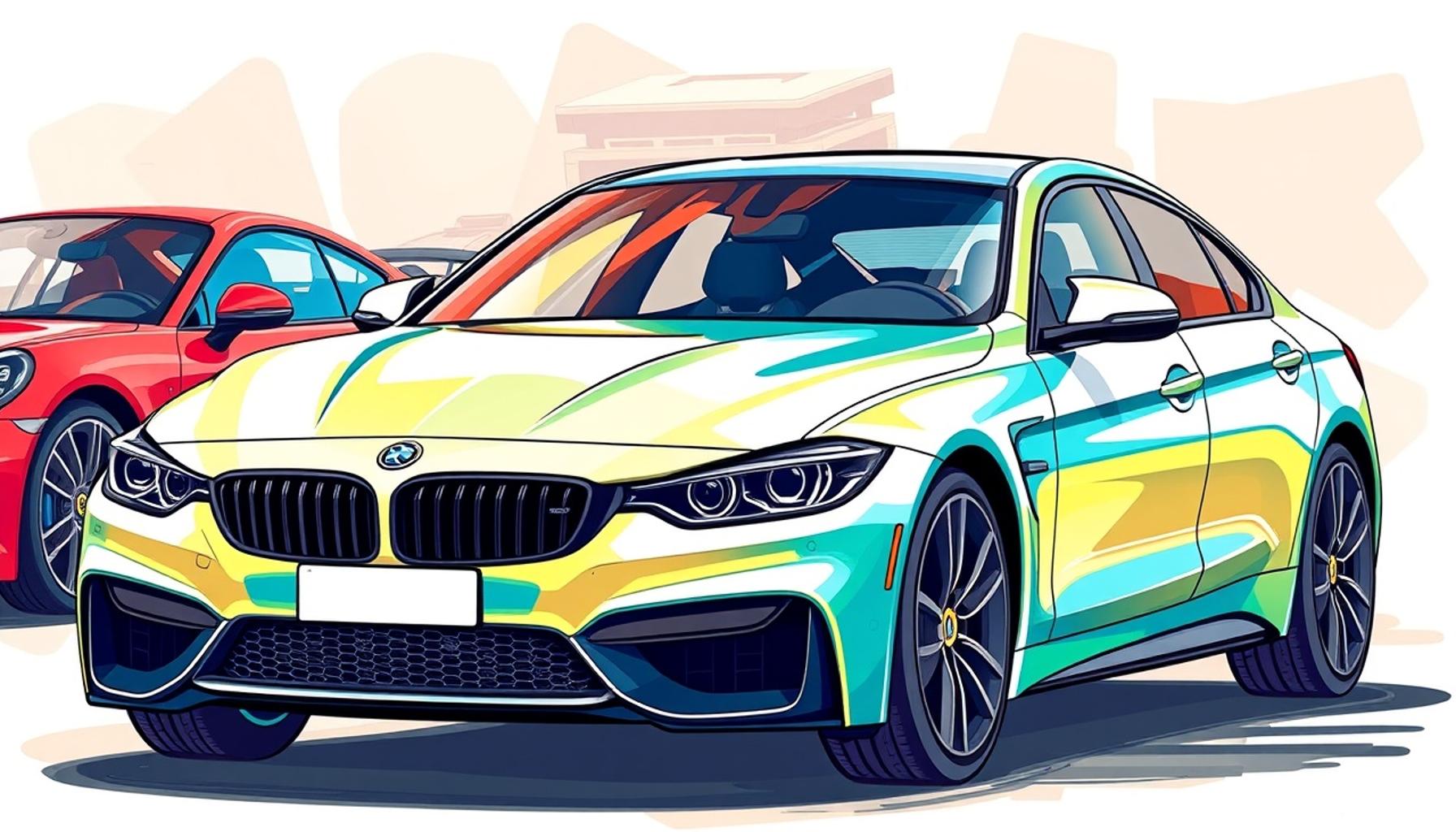
The rise of connected cars and their impact on automotive marketing and financing strategies
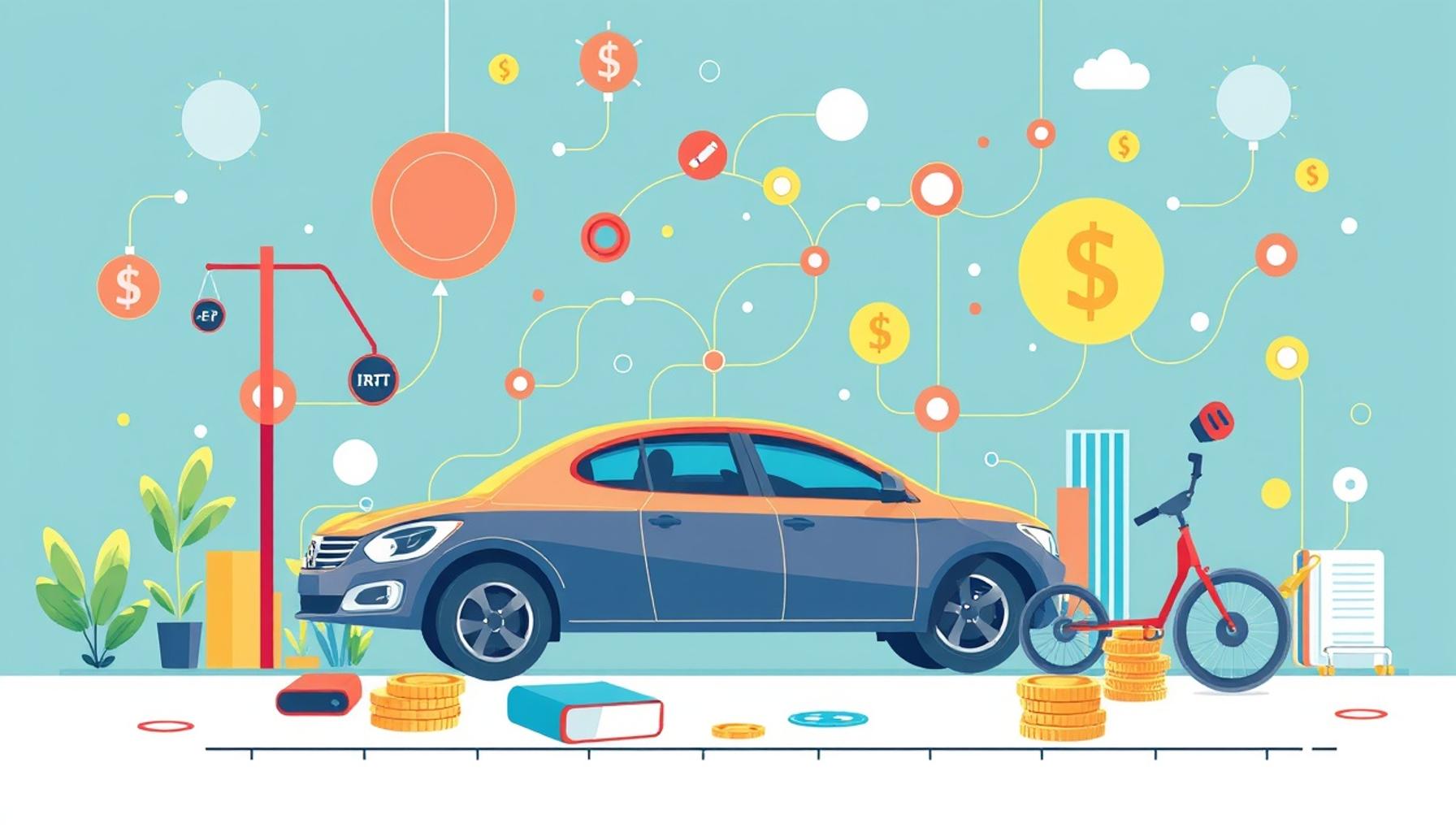
Transformation through Connectivity
Connected cars are making waves not just on the roads, but also in the realms of marketing and finance within the automotive industry. By incorporating advanced technology and internet connectivity, these vehicles enhance the driving experience, create new opportunities for consumers, and drive the evolution of traditional marketing strategies and financing models in significant ways.
Enhanced Features for the Modern Driver
At the core of connected cars are features that promise to improve safety, convenience, and the overall driving experience. For instance, real-time navigation systems use live traffic data to provide drivers with efficient route planning, helping them avoid congested areas and save time. Imagine setting off for work, only to receive a notification that the typical route is backed up for miles, and the system quickly reroutes you through less busy streets—this is just one example of how these systems enhance daily commutes.
In addition to navigation, remote diagnostics allow vehicles to self-monitor their performance, alerting drivers to potential issues before they escalate into costly repairs. Picture a driver receiving an alert on their smartphone that indicates a low oil level or the need for a tire rotation, making it easier to maintain the vehicle’s health without waiting for a scheduled service. Moreover, infotainment systems enhance the in-car experience by seamlessly integrating with mobile devices, allowing access to music, podcasts, and even navigation through simple voice commands.
Shifts in Automotive Marketing and Financing
As the demand for connected cars grows, automakers are creatively shifting their marketing strategies to resonate with a more tech-savvy consumer base. Instead of solely focusing on the car’s horsepower or fuel efficiency, brands now highlight technological features and connectivity options that appeal to modern drivers.
- Subscription services allow consumers to access a vehicle without the long-term commitment of purchasing. For instance, companies like BMW and Porsche offer subscription plans that include insurance, maintenance, and even the flexibility to switch vehicles based on needs.
- Pay-per-use models represent a new approach that charges customers based on their usage patterns. This model can be particularly appealing in urban settings where residents may not need a car full-time but want the option to drive when necessary.
- Enhanced resale values of connected cars contribute to their desirability. Features like updated software and integrated technology mean vehicles retain value longer than traditional models.
This evolution within the automotive industry exemplifies the dynamic relationship between technology and consumer preferences. It presents both opportunities for innovation and challenges that require careful navigation. As we delve deeper into the impact of connected cars, we will analyze how they are shaping marketing strategies and financing models, ultimately setting the stage for a transformative era in automotive engagement.
LEARN MORE: Click here for details on applying
Changing Consumer Expectations
The rise of connected cars has fundamentally changed consumer expectations regarding the automotive experience. Today’s drivers are more informed and tech-savvy than ever, seeking not just transportation but a seamless integration of technology into their driving lives. As a result, automakers must now adapt their marketing strategies to meet these evolving needs.
For instance, data analytics plays a crucial role in understanding consumer behavior. Automakers can gather valuable insights from connected vehicles, such as driving habits, preferred routes, and the types of features that resonate with consumers. This data enables manufacturers to tailor their marketing efforts, ensuring that they present the features and benefits that matter the most to potential buyers. The emphasis has shifted towards selling a lifestyle enriched by technology, rather than merely a vehicle.
Moreover, the utilization of targeted advertising has become more prevalent. Through in-car connectivity, manufacturers can deliver personalized content directly to drivers. Picture this: you’re driving your connected car, and as you approach a nearby restaurant, a notification appears on the infotainment screen offering a discount for a meal. This real-time interaction not only enhances the driving experience but also provides automakers with immediate feedback on how effective their marketing efforts are in real-time situations.
Innovative Financing Models
The financing landscape is also undergoing a transformation due to the rise of connected cars. Traditional payment methods, such as outright purchase and leasing, are being supplemented by innovative, flexible financing options that appeal to the modern consumer. Here are a few noteworthy financing trends:
- Micromobility Financing: As cities increasingly move towards eco-friendly transportation options, some companies offer financing options for smaller vehicles like electric scooters and e-bikes that can be included in a connected ecosystem of transport options.
- Equity Sharing Programs: In these programs, consumers can buy a percentage of a car and share its use with others, making it financially feasible for those who may not want to commit to a full purchase.
- Digital Wallets and Cryptocurrency: Owners may leverage digital wallets to manage payments for subscription services or ride-sharing options, providing a seamless method to finance their mobility solutions.
This change in financing options reflects not only the technological advancements in connected cars but also a shift in consumer attitudes toward ownership and mobility. Consumers are increasingly seeking flexibility and convenience, favoring arrangements that allow for easier upgrades or changes to their transportation methods without the hassles of conventional financing solutions.
In summary, as connected cars redefine the automotive landscape, they are eliciting a profound transformation in consumer expectations and paving the way for innovative marketing and financing strategies. The next sections will further explore how these strategies are being implemented and the broader implications they hold for the automotive industry.
DISCOVER MORE: Click here to find out how to apply
Personalization and Customer Engagement
Another significant impact of connected cars on automotive marketing is the enhanced capabilities for personalization and customer engagement. Connected vehicles are equipped with advanced technology that collects data points about the driver’s preferences and habits. This enables automakers to foster a more personalized approach to customer interactions, creating tailored experiences that were previously unimaginable.
For example, consider a scenario where a driver frequently selects a specific radio station or utilizes particular climate settings. The connected system can learn these preferences and automatically adjust the in-car environment accordingly, creating a sense of ownership and familiarity. Manufacturers can leverage these insights to trigger marketing campaigns aimed directly at the driver. They might send notifications about new vehicle features that enhance comfort or entertainment based on the user’s specific habits, making marketing not just relatable but truly personal.
This drive towards personalization extends to ownership experiences as well. Automakers can create apps that allow consumers to manage their vehicle’s settings, schedule maintenance, and even engage with other drivers within the same brand. By fostering a sense of community through these platforms, car manufacturers can significantly enhance customer loyalty and lifetime value.
Subscription Services and Alternative Ownership Models
As the market matures, subscription services are rapidly emerging as a popular alternative to traditional vehicle ownership. This model allows consumers to access a vehicle for a monthly fee, which often covers maintenance, insurance, and roadside assistance. The convenience of this model appeals particularly to younger consumers who prioritize flexibility and may not wish to be tied down by long-term financial commitments.
For instance, brands like Volvo and BMW are already experimenting with subscription services that let customers drive a new vehicle for a monthly fee without the burdens of ownership. This approach aligns perfectly with the connected car ecosystem, enabling seamless upgrades and transitions between different models based on changing preferences or requirements.
Additionally, some automakers are incorporating both the benefits of subscriptions and the advantages of connected technology by offering pay-per-use models. In this setup, car owners may access certain premium features on their connected vehicles for a fee, like advanced safety systems or enhanced infotainment packages. This creates an ongoing revenue stream for manufacturers while giving consumers the ability to customize their driving experience according to their road needs without overinvesting in features they may not always use.
Furthermore, the integration of mobility-as-a-service (MaaS) platforms into connected cars is revolutionizing how consumers think about transportation. These platforms, which combine multiple transportation options (like car rentals, public transit, and ridesharing) into a single accessible service, are growing in popularity. They encourage users to move away from personal vehicle ownership altogether, instead opting for a more flexible, on-demand transportation solution.
As connected cars continue to gain traction, the convergence of personalized marketing and innovative financing models is redefining the automotive industry. Consumers are increasingly looking for brands that understand their unique needs while fostering a relationship built on convenience and adaptability. The following sections will delve deeper into the technological advancements enabling these changes and their implications for automotive manufacturers and consumers alike.
DISCOVER MORE: Click here to learn how to apply
Conclusion
The emergence of connected cars marks a significant shift in the automotive landscape, profoundly influencing both marketing and financing strategies. As vehicles become increasingly integrated with technology, automakers are gaining access to a wealth of data that allows them to create highly personalized experiences for customers. This personalization not only enhances consumer satisfaction but also cultivates a deeper sense of loyalty, making it essential for manufacturers to leverage data insights effectively.
Moreover, the rise of subscription services and innovative financing models is reshaping how consumers engage with ownership. With more individuals prioritizing flexibility and convenience, traditional ownership seems to be giving way to alternative models such as pay-per-use and mobility-as-a-service platforms. These shifts appeal particularly to younger consumers who value adaptability in their transportation choices.
As we move forward, the convergence of connected technology with evolving consumer preferences underscores the need for automotive brands to embrace change proactively. Companies that adapt their marketing techniques and financing options to meet the growing demand for personalized, convenient, and flexible solutions are poised to thrive in this dynamic environment. In summary, the rise of connected cars not only revolutionizes the driving experience but also prompts a necessary evolution in how the automotive industry approaches its customers and the financial structures that support them.