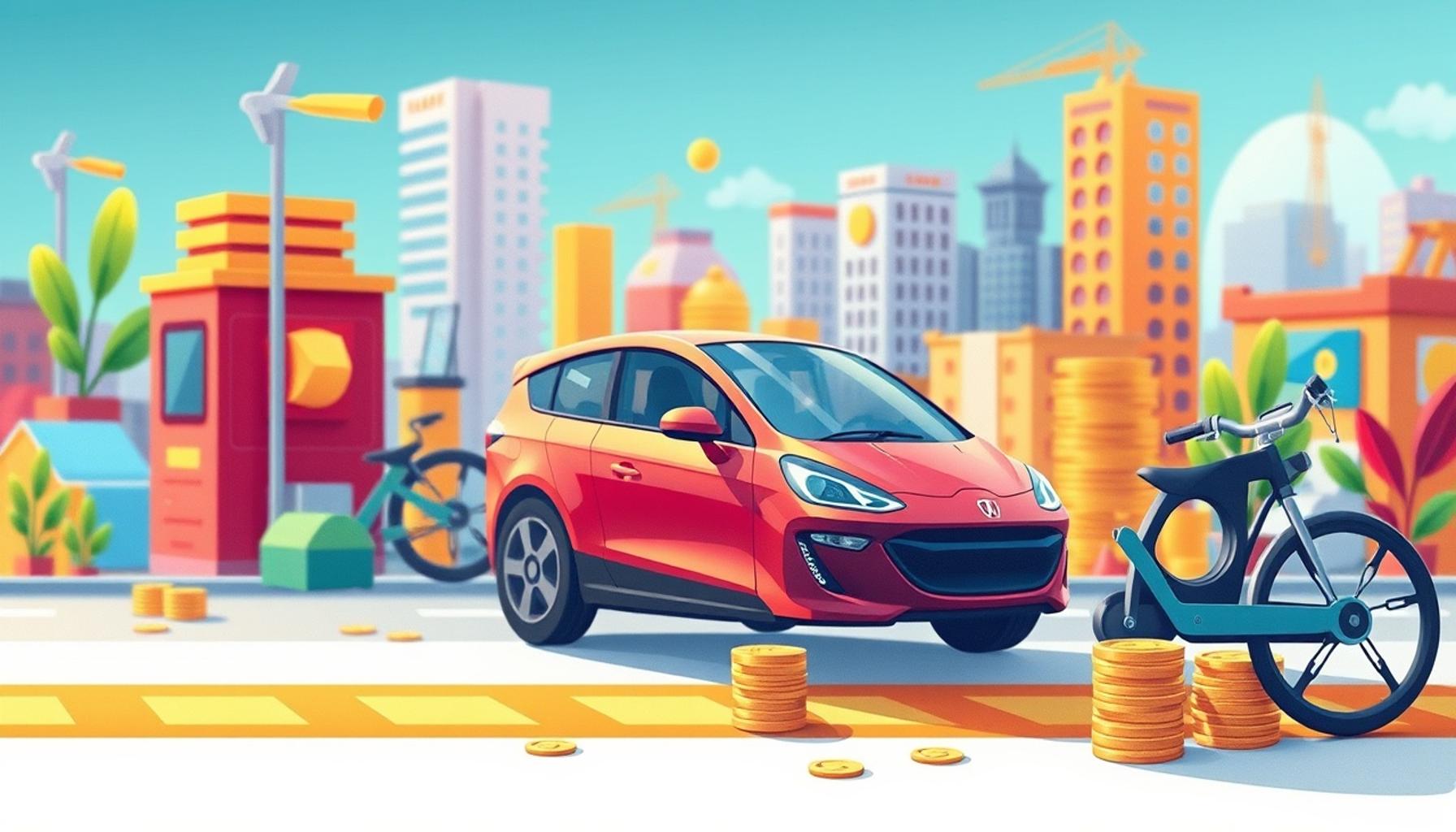
The evolution of automotive design and its influence on contemporary fashion trends
Understanding the Intersection of Automotive Design and Fashion
The connection between automotive design and fashion has often been overlooked, yet it is a profound relationship that thrives on creativity and innovation. Since the inception of the automobile, its visual and functional aesthetics have mirrored and influenced trends in clothing and lifestyle. By examining how these two dynamic worlds intersect, we can appreciate the cultural narratives woven between them.
Throughout history, various automotive innovations have significantly impacted fashion trends. For instance, consider the streamlined shapes that characterized vehicles of the 1930s. This period marked a shift towards emphasis on aerodynamics, giving rise to cars that were not only faster but also more visually appealing. Designers like Raymond Loewy introduced curves and fluid shapes that inspired fashion designers to adopt similar fluidity in their garments. The bias-cut dresses of the time showcased elegant, sweeping lines, reflecting the aesthetic ideals of the streamlined automobile.
Furthermore, the influence of colors and finishes in automotive design has had a significant trickle-down effect in fashion. The vibrant hues and glossy metallic finishes found on modern cars often inspire clothing collections. Brands like Gucci and Prada have incorporated popular car colors such as candy apple red and electric blue into their collections. This incorporation adds a punch of color and vibrancy to the otherwise neutral palettes often seen in fashion. Additionally, the rise of ‘Car Couture’—a term used to describe collections influenced by automotive colors—illustrates how these elements resonate with contemporary fashion enthusiasts.
The textures used in automotive interiors also reveal a fascinating overlap with fashion design. Luxurious materials like leather and suede, which are prevalent in car interiors, have become staples in apparel. Designers often experiment with these materials to create stylish jackets, bags, and shoes that not only exude luxury but also bring functionality to everyday wear. For example, classic leather motorcycle jackets not only evoke the spirit of adventure associated with automobiles but also represent a timeless fashion choice that transcends generations.
By understanding this interconnectedness, it becomes evident that both industries are influenced by cultural shifts and technological advancements. For instance, the rise of electric vehicles has prompted a reevaluation in materials used in both automotive interiors and clothing production, leading to eco-friendly choices that reflect consumer values towards sustainability. As both automotive and fashion design continuously reinvent themselves, the innovation inside vehicles and on the catwalk signifies a broader cultural narrative about style, lifestyle, and consumer consciousness.
In this exploration, we will delve into specific examples of how these elements of automotive design have shaped the fashion world. By showcasing such instances, we aim to provide a clearer perspective on this fascinating interplay. Prepare to discover how the allure of the automobile transcends beyond mere transportation, influencing style choices and lifestyles around the globe.
DISCOVER MORE: Click here to learn how to apply
The Historical Context of Automotive Design and Fashion
To fully appreciate the evolution of automotive design and its influence on contemporary fashion trends, it’s essential to look back at the pivotal moments in both industries. The transition from utilitarian vehicles to highly stylized automobiles occurred alongside significant shifts in the fashion world. Each era brought a distinct set of design principles that resonated within both domains, shaping what consumers desired in their vehicles and wardrobes.
The Post-World War II era was a turning point for automotive and fashion design. The 1950s saw enormous prosperity, and this sense of wealth and freedom was reflected in the automobiles of the time. Cars like the Cadillac Eldorado and the Chevrolet Corvette boasted extravagant features and flamboyant designs—heavy chrome, tailfins, and vibrant colors became synonymous with luxury and success. During this time, fashion reacted in kind; bold patterns, extravagant silhouettes, and luxurious materials became staple elements in high fashion. Designers like Christian Dior introduced the “New Look,” featuring cinched waists and flowing skirts, which echoed the opulent designs found in these iconic vehicles.
Moreover, the 1970s oil crisis brought on a different chapter in the evolution of automotive design. Stricter fuel economy regulations and a growing awareness of environmental concerns led to the rise of smaller, more economical cars, such as the Volkswagen Beetle and the Honda Civic. The aesthetic shifted towards minimalism and practicality, profoundly affecting fashion trends. Clothing during this time moved towards simpler designs, with an emphasis on comfort and functionality. The popularity of denim and casual wear can be traced back to this era, mirroring the shift in automotive priorities towards efficiency over flamboyance.
As we moved into the 1980s and 1990s, the automotive industry embraced more experimental designs. Bold, angular shapes and a mix of retro aesthetics emerged, influencing the fashion landscape significantly. Brands like Gucci and Versace began to adopt automobile-like aesthetic elements, incorporating geometric shapes and vibrant patterns into their designs. This decade marked an intersection where car culture began to meld with pop culture, as seen with the rise of brands like Ralph Lauren, who emphasized an aspirational lifestyle that included ownership of luxury vehicles.
In contemporary times, the influence of technology and sustainability continues to reshape both automotive and fashion design. As electric vehicles gain prominence, the design ethos has taken on a more futuristic approach. Sleek lines and cutting-edge technology are now expected in vehicles, and such characteristics have found their way into fashion as well. Many designers are now incorporating smart textiles and sustainable materials, inspired by the eco-friendly innovations seen in the automotive sector. The use of recycled materials and innovative designs that highlight sustainability is becoming more prevalent, reflecting a growing consumer consciousness towards the environment.
Here are a few key influences from automotive design that have persisted and shaped contemporary fashion:
- Innovative Material Usage: The incorporation of high-tech fabrics and sustainable materials.
- Color Palettes: Bright and bold colors drawn from automotive finishes influencing seasonal fashion collections.
- Streamlined Aesthetics: The influence of aerodynamic design elements guiding modern silhouettes in apparel.
As we delve deeper into this multifaceted relationship, we will explore specific case studies that highlight the profound connections between automotive design and fashion, revealing how these two worlds influence each other in ways that are both evident and subtle.
DISCOVER MORE: Click here to learn how to apply
Cross-Pollination of Ideas in Automotive and Fashion Design
The compelling relationship between automotive design and fashion is not merely cyclical; it is rooted in a cross-pollination of ideas that enhances both fields. The collaboration between designers in these industries has fostered innovative concepts and trends that define modern aesthetics in both automobiles and clothing. Renowned automotive designers frequently find inspiration in fashion, while fashion designers do not shy away from seeking elements associated with vehicles to capture the essence of movement and speed.
The concept of branding and lifestyle further amplifies this relationship. Car manufacturers, particularly luxury brands like Aston Martin and Ferrari, promote an image of an aspirational lifestyle that goes beyond the vehicle. They create a narrative that integrates luxury, sophistication, and status. This narrative resonates deeply within the fashion industry, where collections often seek to embody similar aspirations. Fashion houses incorporate automotive motifs or colors inspired by iconic car models—think of the deep reds and sleek silvers of a classic Ferrari making their way into a glamorous red carpet dress or evening gown.
The Role of Iconic Collaborations
Iconic collaborations serve as prime examples of this symbiosis. A notable instance is the partnership between Carven and Renault, where the fashion label drew inspiration from the sleek lines and dynamic forms of Renault’s vehicles to create a unique clothing line centered around movement. These collaborations spotlight how designers leverage the essence of automotive engineering—the melding of form and function—to inspire fashion creations that reflect both elegance and practicality.
Moreover, the influence of automotive design can be seen in the realm of accessories. Popular items like handbags and shoes occasionally borrow design cues from car interiors and exteriors. For example, the use of leather textures reminiscent of car upholstery often appears in premium handbags, while color patterns mimicking classic car paint jobs have gained popularity in footwear design. These elements illustrate a shared language that transcends both industries and redefines consumer expectations.
The Impact of Cultural Shifts
Shifts in culture and social movements have also played a pivotal role in how automotive design influences fashion. The rise of streetwear in recent years has been heavily influenced by car culture, especially the rise of the customized automobile and the automotive enthusiast community. Sneakers, jackets, and accessories often reflect a narrative around speed, performance, and personalization—mirroring the ethos of car customization.
Additionally, the incorporation of eco-consciousness is a significant trend as both fashion and automotive industries navigate the modern consumer’s desire for sustainability. With the surge of electric vehicles reflecting a commitment to sustainability, fashion brands are also adapting to this trend by offering collections made from recycled fabrics or eco-friendly materials. This alignment creates a powerful synergy, appealing to consumers’ sensibilities towards environmental responsibility.
The Influence of Pop Culture and Media
The impact of pop culture and media further elevates the connection between these two industries. Blockbuster films featuring iconic cars, such as the fast-paced excitement in the “Fast and Furious” franchise, cultivate a cultural narrative influencing fashion trends. Memorabilia associated with such films, including logoed apparel, provides a tangible connection to the automotive world, further blending interests and inspiring collections dedicated to audacious, adventurous themes.
Through this exploration, it becomes clear that the interplay between automotive design and contemporary fashion is not merely an exchange of aesthetics. Rather, it symbolizes a dynamic dialogue that continues to evolve, bringing forth new ideas and inspirations that shape consumer identities, aspirations, and lifestyle choices. As we look toward the future, this relationship promises only to deepen, transforming the realms of both automotive innovation and fashion design.
DISCOVER MORE: Click here to dive deeper
Conclusion
The journey of automotive design and its impact on contemporary fashion trends paints a fascinating picture of innovation, creativity, and cultural fusion. From the sleek contours of classic cars to the dynamic lines of electric vehicles, the evolution of automotive aesthetics has not only shaped automobiles but has also provided a wellspring of inspiration for fashion designers seeking to evoke speed, elegance, and a sense of modernity in their collections. As we have explored, the collaboration between the two industries facilitates a continuous exchange of ideas that enriches both fields, driving new trends and inspiring fresh interpretations.
Furthermore, the shift towards sustainability and the embrace of technology reflect the growing importance of eco-consciousness in both automotive and fashion industries. As consumers increasingly prioritize ethical brands, the alignment of these sectors promises innovations that are not only chic but also responsible. The role of pop culture further reinforces the connection between cars and clothing, illustrating how narratives in films and media shape consumer perceptions and style choices.
Ultimately, the synergy between automotive design and fashion is more than a trend; it embodies a cultural dialogue that resonates through lifestyle choices and identity. As we look ahead, it is clear that this interplay will continue to evolve, pushing boundaries and inspiring new generations of creators and consumers alike. Embracing this relationship will allow both industries to respond dynamically to changing tastes and aspirations, redefining the essence of style and function in exciting ways.

Linda Carter
Linda Carter is a journalist and writer responsible for closely monitoring the topics published and continuously contributing to the content production of this website. On a daily basis, she conducts research, organizes information, and helps transform complex subjects into clear and easy-to-understand texts, always focusing on the reader's usefulness.